What Foods Should You Avoid With Thyroid Problems?
If you have a thyroid problem, you may often wonder, what foods should you avoid with thyroid problems? The answer depends on the type of thyroid condition you have, the medicines you take, and your overall health.
There is no universal list of foods that every person with a thyroid disorder must completely avoid. However, certain foods, supplements, and eating habits may interfere with thyroid medication or affect thyroid health when consumed in excessive amounts.
People with hypothyroidism, hyperthyroidism, or autoimmune thyroid conditions may have different nutritional needs. Therefore, it is important to focus on a balanced diet rather than unnecessarily eliminating large groups of foods.
In this guide, we will discuss foods to limit, foods that may interfere with thyroid medication, and important dietary habits for better thyroid health.
Why Does Diet Matter With Thyroid Problems?
The thyroid gland produces hormones that help regulate metabolism, energy, body temperature, heart rate, and many other functions.
Certain nutrients, including iodine, selenium, zinc, and iron, are important for normal thyroid function.At the same time, excessive intake of some nutrients or certain foods may cause problems in specific situations.
For example, people taking thyroid medication may need to be careful about when they consume foods or supplements containing calcium, iron, or large amounts of fiber because these can affect medication absorption.
This is why understanding what foods should you avoid with thyroid problems is useful, but the goal should be balance rather than unnecessary restriction.
1. Avoid Excessive Iodine Supplements
Iodine is essential for thyroid hormone production, but more iodine does not necessarily mean a healthier thyroid.
Very high iodine intake can affect thyroid function in some people and may worsen certain thyroid conditions.
Instead of taking high-dose iodine supplements on your own, get iodine primarily through a balanced diet unless your healthcare provider recommends supplementation.
Common sources of iodine include:
Iodized salt, Dairy products, Eggs, Fish and seafood.
If you have a thyroid disorder, speak with your healthcare provider before taking an iodine supplement.
2. Be Careful With Highly Processed Foods
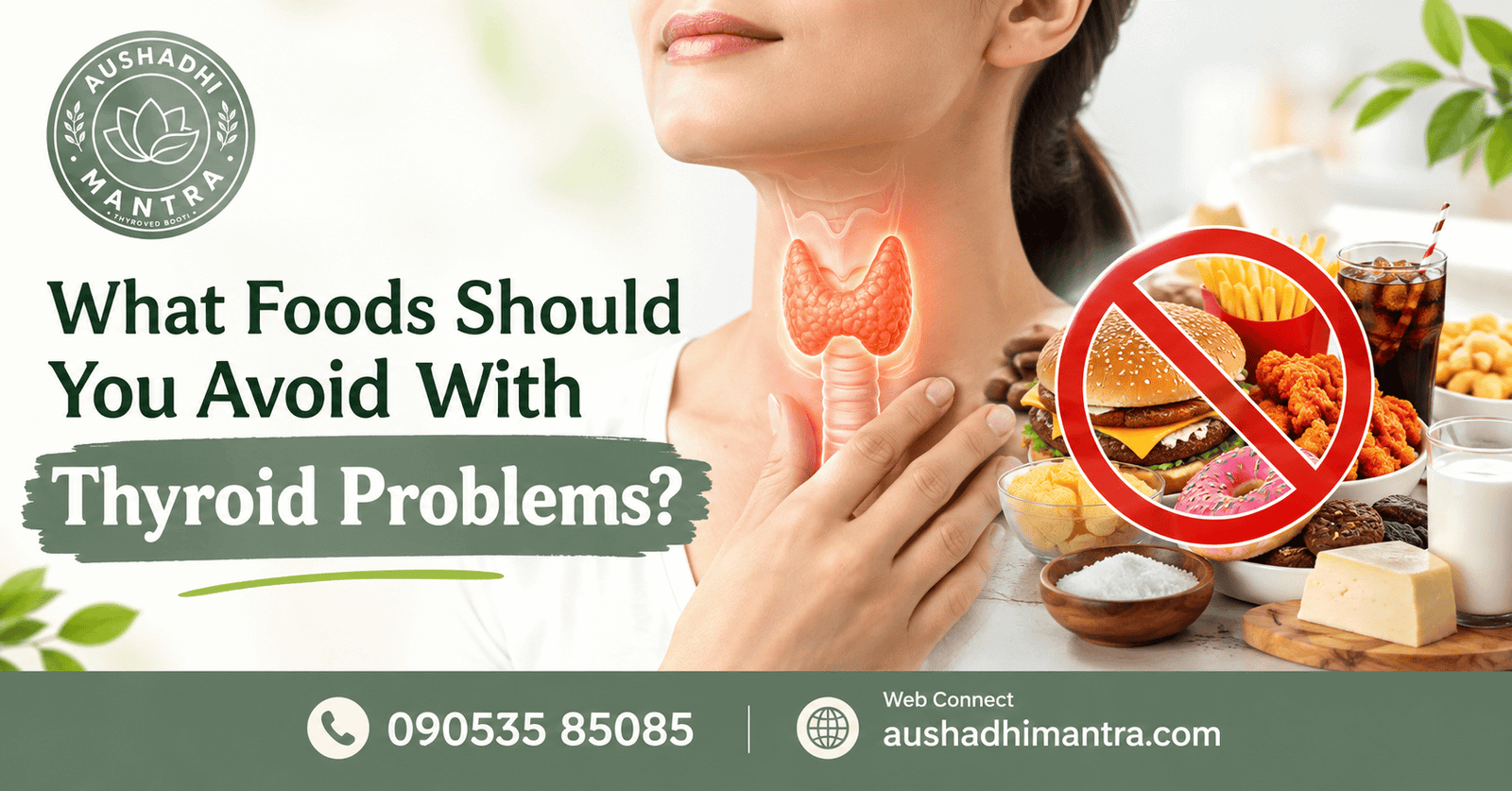
Highly processed foods are not necessarily harmful to the thyroid directly, but eating large amounts can make it harder to maintain a balanced and nutritious diet.
Examples include:
Packaged snacks, Sugary drinks, Fast food, Processed meats, Chips, Highly refined desserts, Foods high in added sugar.
These foods may provide excess calories while offering fewer essential nutrients.
Instead, try to include more whole foods such as vegetables, fruits, whole grains, legumes, eggs, fish, and other protein-rich foods.
3. Limit Excessive Added Sugar
People with thyroid disorders do not necessarily need to completely eliminate sugar.
However, consuming excessive amounts of added sugar can contribute to poor overall nutrition and unwanted weight changes.
Common sources include:
Soft drinks, Sweetened packaged beverages, Cakes, Cookies, Candy, Sweetened cereals, Desserts.
Choose naturally occurring sugars from whole fruits more often and keep foods high in added sugar as occasional choices.
4. Soy Foods and Thyroid Medication
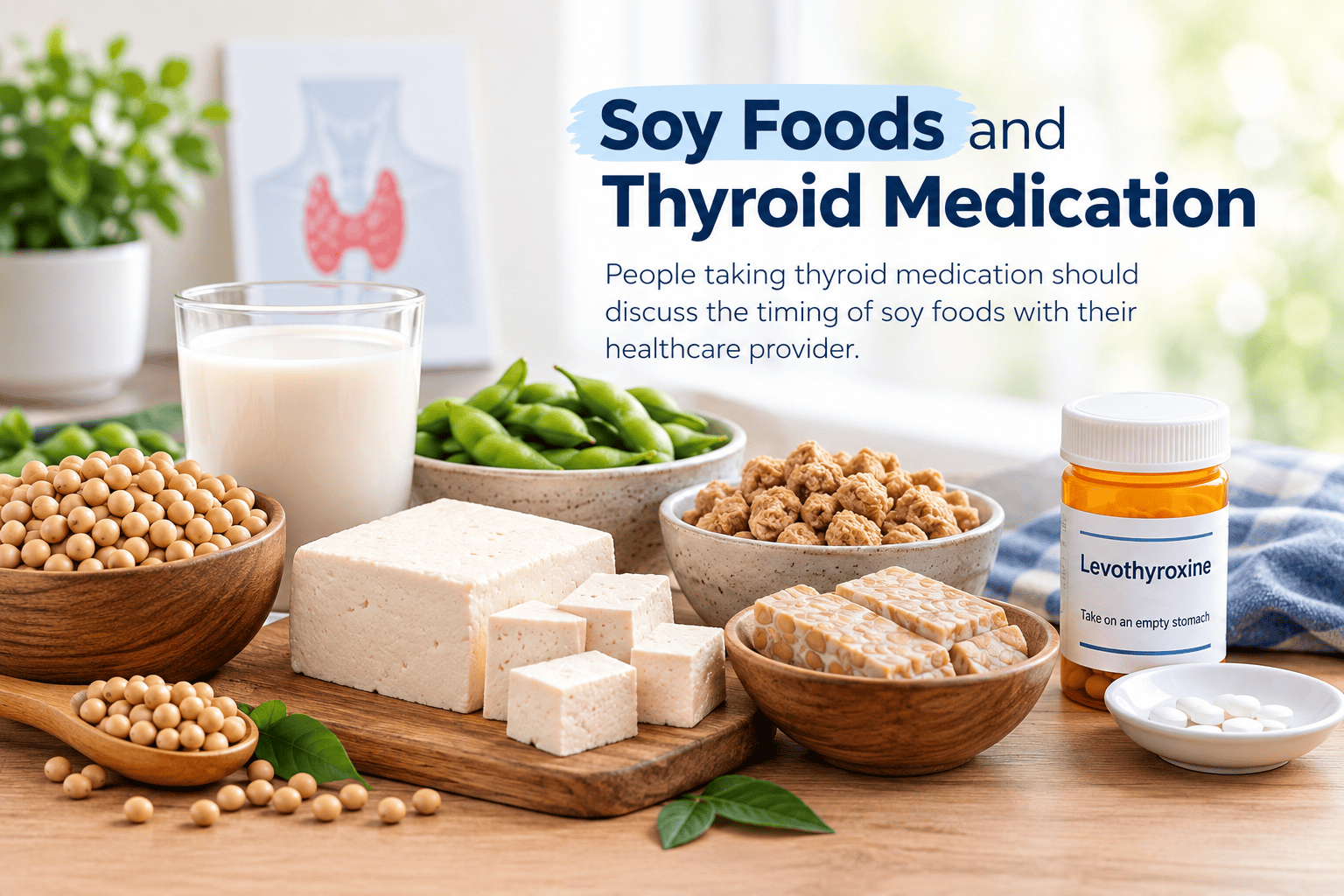
Soy foods such as tofu, soy milk, edamame, and soy-based products can be part of a healthy diet.
However, soy may interfere with the absorption of levothyroxine in some situations, particularly when consumed close to the time the medicine is taken.
This does not necessarily mean that people with thyroid problems need to completely avoid soy.
If you take levothyroxine, follow your healthcare provider's instructions regarding medication timing and ask whether you need to separate your medicine from soy-containing foods.
5. Be Careful With Calcium-Rich Foods Around Thyroid Medicine
Calcium is an important nutrient for bone health, but calcium supplements and calcium-rich products can interfere with the absorption of levothyroxine when taken too close together.
This does not mean that dairy products or other calcium-rich foods need to be avoided.
Instead, the important thing is timing.
If you take levothyroxine, follow your doctor's instructions about when to take your medicine and when to consume calcium supplements or calcium-rich foods.
Never stop consuming nutritious foods simply because you take thyroid medication without first discussing it with your healthcare provider.
6. Iron Supplements Can Affect Thyroid Medicine
Iron is an essential nutrient, especially for people with iron deficiency.
However, iron supplements can interfere with the absorption of levothyroxine if taken at the same time.
If you need both thyroid medication and iron supplements, your healthcare provider can advise you about appropriate timing.
Do not stop an iron supplement prescribed for you without medical advice.
7. Avoid Taking High-Dose Selenium Supplements Without Advice
Selenium plays an important role in thyroid hormone metabolism.
However, excessive selenium intake can be harmful.
Foods such as eggs, fish, meat, poultry, and some nuts can provide selenium naturally. High-dose selenium supplements should not be taken simply because you have a thyroid problem.
Always discuss supplements with your healthcare provider before starting them.
8. Cruciferous Vegetables Usually Do Not Need to Be Avoided
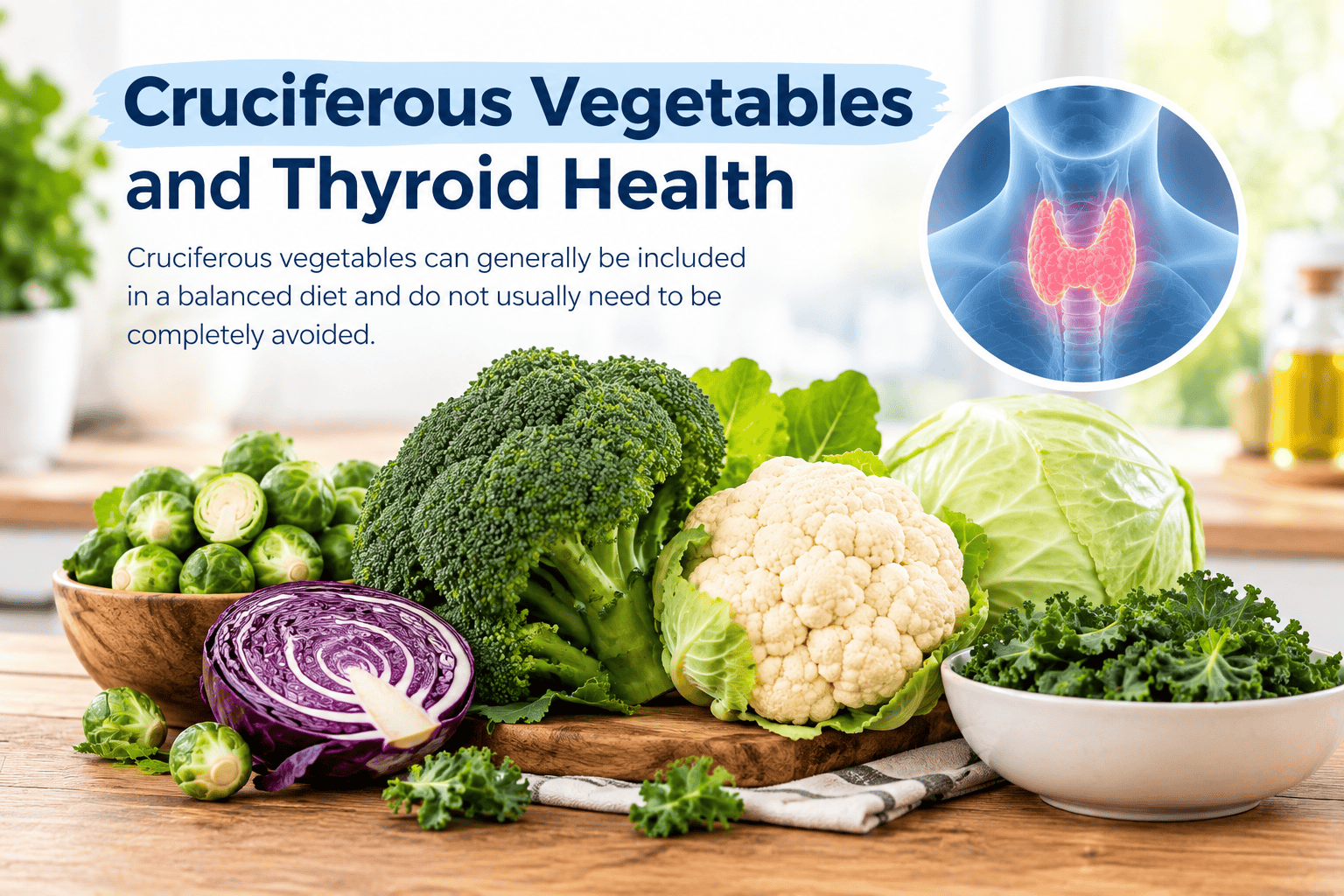
Broccoli, cauliflower, cabbage, kale, and similar vegetables are sometimes described as foods to avoid with thyroid problems.
For most people, there is no need to completely eliminate these nutritious vegetables from the diet.
They contain compounds called goitrogens, but normal amounts consumed as part of a varied diet are generally not considered a reason to avoid them completely.
Cooking these vegetables also reduces the activity of some of these compounds.
If you have a specific thyroid condition or nutritional concern, discuss your diet with your healthcare provider or a registered dietitian.
Foods to Eat More Often for Thyroid Health
Instead of focusing only on foods to avoid, it is also important to include nutritious foods that support overall health.
A balanced diet may include:
Protein-Rich Foods
Eggs, Fish, Chicken, Lentils, Beans, Chickpeas, Paneer, Tofu
Fruits and Vegetables
Choose a variety of colorful fruits and vegetables to provide vitamins, minerals, fiber, and antioxidants.
Whole Grains
Examples include:
Oats, Brown rice, Whole-wheat roti, Barley, Quinoa
Healthy Fats
Nuts, seeds, fish, and suitable plant oils can provide healthy fats as part of a balanced diet.
What Foods Should You Avoid With Hypothyroidism?
If you have hypothyroidism, you generally do not need to follow an extremely restrictive diet.
Instead, pay attention to:
Excessive iodine supplements, Timing of levothyroxine, Calcium supplements around medication, Iron supplements around medication, Excessive consumption of highly processed foods, Unnecessary “thyroid cure” supplements.
Soy and high-fiber foods do not necessarily need to be eliminated, but medication timing may need to be considered.
Your healthcare provider can give you specific instructions based on your medication and thyroid test results.
What Foods Should You Avoid With Hyperthyroidism?
People with hyperthyroidism may have different nutritional needs.
If you have an overactive thyroid, avoid taking excessive iodine supplements unless specifically recommended by your doctor.
Certain iodine-containing products and supplements may also need to be discussed with your healthcare provider.
Because hyperthyroidism can increase metabolism and sometimes contribute to weight loss and muscle loss, adequate calories and protein may be important.
Your doctor or dietitian can help you create a diet that matches your individual needs
Should You Stop Eating Gluten With Thyroid Problems?
Not everyone with a thyroid disorder needs to avoid gluten.
People with certain autoimmune conditions, such as celiac disease, may need to follow a gluten-free diet. However, simply having a thyroid disorder does not automatically mean that gluten must be removed from the diet.
Before making major dietary restrictions, speak with a healthcare professional.
Should You Avoid Coffee With Thyroid Medicine?
Coffee does not necessarily need to be completely avoided if you have a thyroid problem.
However, drinking coffee too close to the time you take levothyroxine may reduce medication absorption in some people.
If you take thyroid medication, follow the timing instructions provided by your healthcare provider and medication label.
Common Dietary Mistakes People With Thyroid Problems Make
Some common mistakes include:
Taking Too Many Supplements
More supplements do not automatically mean better thyroid health. Excessive iodine, selenium, or other nutrients can sometimes cause problems.
Completely Eliminating Healthy Foods
Removing vegetables, grains, dairy, soy, or other food groups without a clear medical reason can make the diet unnecessarily restrictive.
Changing Medication Timing Without Advice
Food and supplements can affect thyroid medication absorption. Consistency and proper timing are important.
Relying on “Thyroid Cure” Diets
There is no single food or diet that can cure every thyroid disorder.
A balanced diet should complement appropriate medical treatment rather than replace it.
Simple Tips for a Thyroid-Friendly Diet
Here are some practical habits that can make healthy eating easier:
Eat a variety of whole foods.
Include adequate protein.
Eat plenty of fruits and vegetables.
Use iodized salt appropriately.
Avoid unnecessary high-dose supplements.
Follow your thyroid medication instructions carefully.
Keep calcium and iron supplements separate from thyroid medicine if advised.
Limit highly processed foods and excess added sugar.
Do not make major dietary changes without professional guidance.
When Should You Talk to a Doctor?
Speak with your healthcare provider if you experience symptoms such as:
Persistent tiredness, Unexplained weight gain or weight loss, Feeling unusually cold or hot, Rapid heartbeat, Constipation, Hair changes, Dry skin, Anxiety or mood changes, Difficulty concentrating, Changes in menstrual cycles.
Your doctor may recommend thyroid blood tests such as TSH and Free T4 based on your symptoms and medical history.
Conclusion
So, what foods should you avoid with thyroid problems? There is no single list of foods that everyone with thyroid disease must completely avoid.
The most important things are to avoid unnecessary high-dose supplements, limit highly processed foods and excessive added sugar, and pay attention to the timing of foods or supplements that can interfere with thyroid medication.
Nutritious foods such as fruits, vegetables, whole grains, eggs, fish, legumes, and other protein-rich foods can be part of a balanced thyroid-friendly diet.
If you have hypothyroidism, hyperthyroidism, or another thyroid condition, talk with your healthcare provider before making major dietary changes or starting supplements.
A balanced diet, appropriate medication, and regular medical monitoring can work together to support better thyroid health.