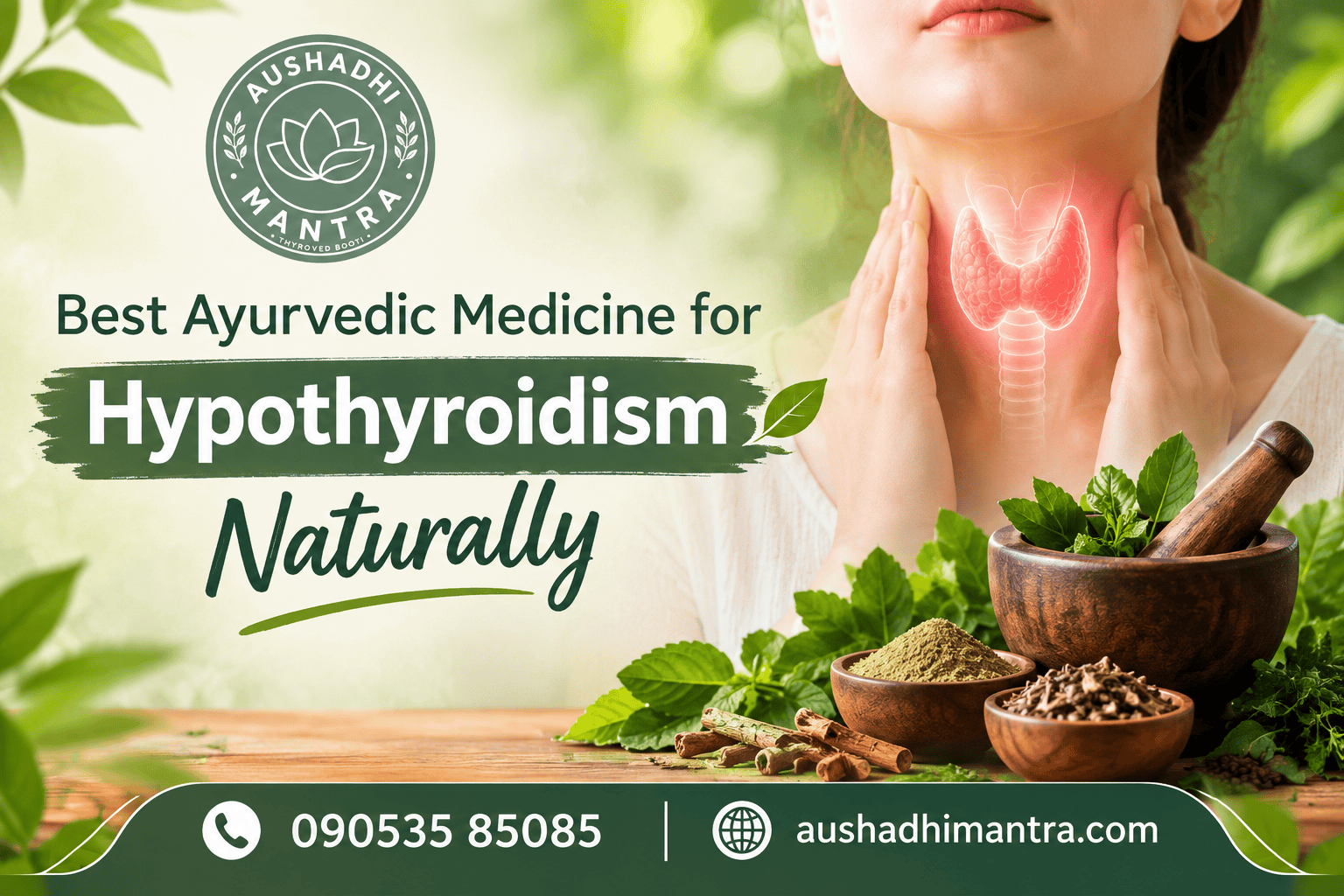
Best Ayurvedic Medicine for Hypothyroidism Naturally
Hypothyroidism is a common thyroid condition that occurs when the thyroid gland does not produce enough thyroid hormones to meet the body's needs. It can affect metabolism, energy levels, body weight, mood and overall well-being. Many people explore Ayurveda, healthy foods and natural lifestyle practices to support their thyroid health.
But what is the best Ayurvedic medicine for hypothyroidism naturally, and can herbal remedies help manage an underactive thyroid? Understanding the available evidence, possible risks and role of medical treatment is essential before choosing any supplement or herbal preparation.
In this guide, we will explore Ayurvedic approaches, supportive dietary habits, common hypothyroidism symptoms and important precautions for maintaining thyroid health.
What Is Hypothyroidism?
Hypothyroidism, also known as an underactive thyroid, develops when the thyroid gland produces insufficient thyroid hormones. These hormones help regulate metabolism, body temperature, heart function and several other essential processes.
Common symptoms may include:
Persistent tiredness or low energy, Unexplained weight gain, Feeling unusually cold, Dry skin and hair changes, Constipation, Difficulty concentrating, Low mood, Menstrual irregularities.
These symptoms can also occur because of other health conditions. A healthcare professional may recommend thyroid blood tests, including thyroid-stimulating hormone (TSH) and free thyroxine (FT4), to assess thyroid function.
Best Ayurvedic Medicine for Hypothyroidism Naturally: What Should You Know?
Ayurveda is a traditional Indian system of health that emphasizes individualized care, diet, lifestyle and herbal preparations. Some people explore Ayurvedic approaches as complementary support while managing hypothyroidism.
However, there is currently insufficient high-quality evidence to establish any Ayurvedic medicine as a reliable cure for hypothyroidism or as a replacement for prescribed thyroid hormone treatment.
The appropriate approach depends on the underlying cause of the condition, laboratory results, symptoms, other medicines and individual health needs.
1. Ashwagandha
Ashwagandha (Withania somnifera) is an herb used in traditional Ayurvedic practice. It is often discussed in relation to stress management and general well-being.
Some limited research has investigated its effects on thyroid hormone levels. However, this does not establish it as a safe or effective treatment for hypothyroidism. Ashwagandha may alter thyroid function and has been associated with cases of excessive thyroid hormone levels.
People with thyroid disorders should consult their healthcare professional before considering it, particularly if they take thyroid medication or have other medical conditions.
2. Guggul and Other Ayurvedic Preparations
Guggul is another traditional herbal ingredient sometimes discussed in Ayurvedic wellness practices. However, reliable clinical evidence is insufficient to recommend it as a treatment for an underactive thyroid.
The same caution applies to multi-herbal formulations marketed for thyroid support. Their ingredients, strength, quality and potential interactions can vary.
Before using an Ayurvedic preparation, check its complete ingredient list and discuss it with a qualified healthcare professional. Products containing minerals or metals require particular caution because some Ayurvedic preparations have been found to contain potentially harmful levels of lead, mercury or arsenic.
3. Why Professional Guidance Matters
The term “natural” does not automatically mean safe. Herbal products can interact with prescription medicines or affect thyroid hormone levels.
Levothyroxine is the recommended first-line treatment for primary hypothyroidism. It replaces the thyroid hormone that the body cannot produce in sufficient quantities.
Do not stop, reduce or replace prescribed medication with an herbal product without medical supervision. Ayurvedic care, if appropriate, should be considered complementary rather than a proven substitute for thyroid hormone replacement.
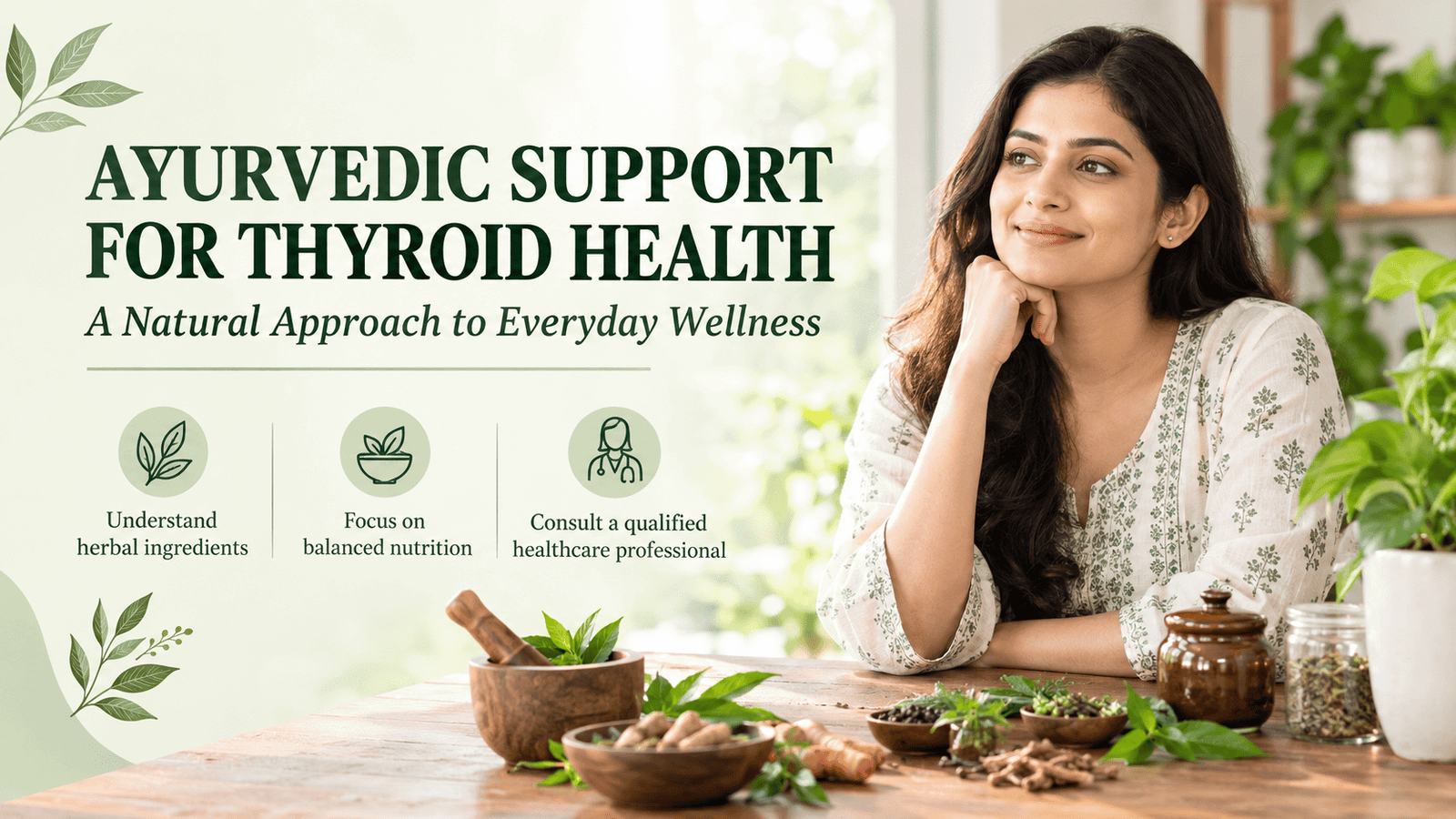
Natural Ways to Support Thyroid Health
Although lifestyle changes cannot reliably reverse established hypothyroidism, healthy daily habits can support general well-being and complement appropriate medical care.
1. Follow a Balanced Diet
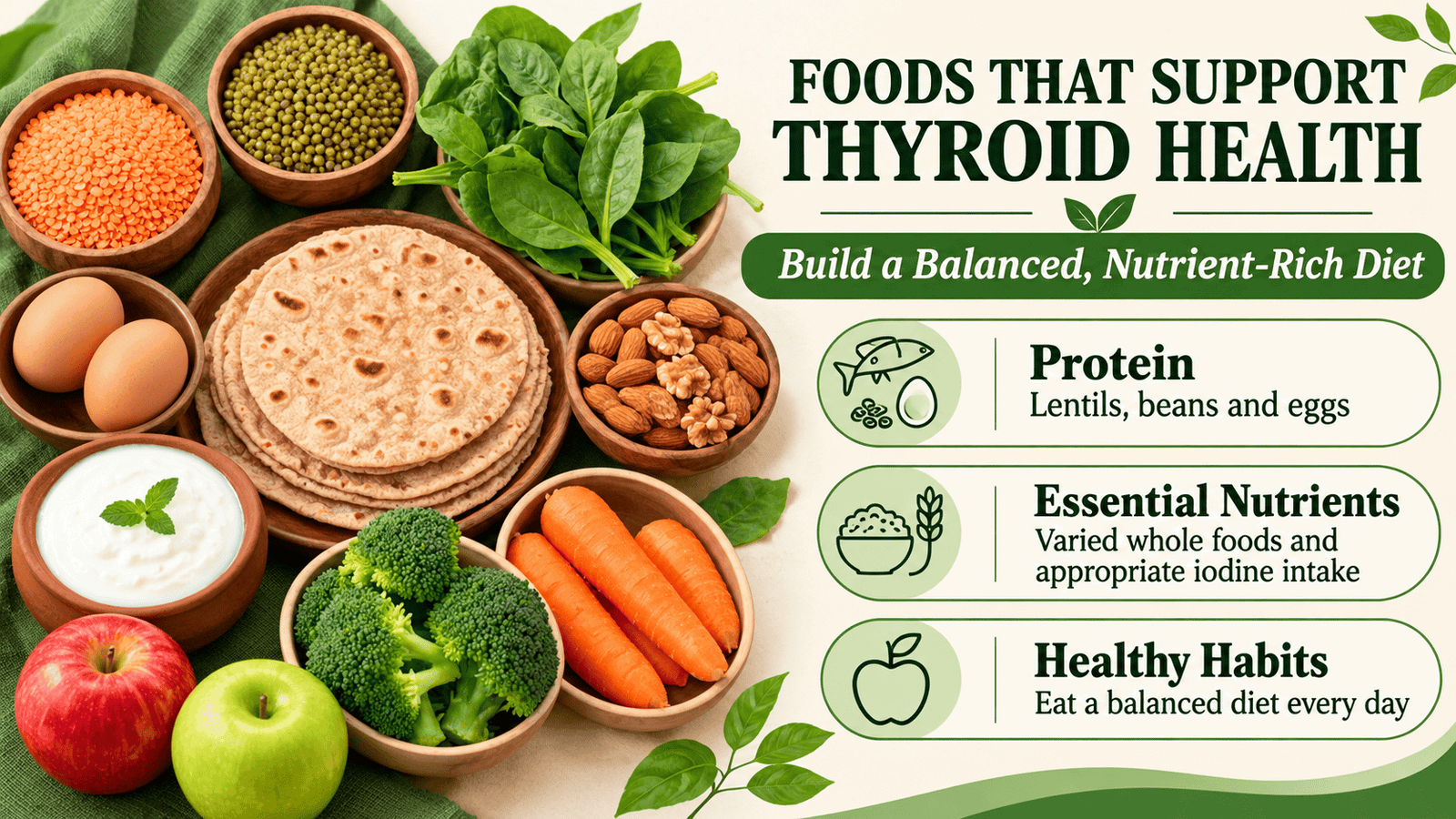
A balanced diet provides the nutrients needed for normal bodily functions. Include a variety of vegetables, fruits, whole grains, pulses, nuts and suitable protein sources.
Good everyday choices may include:
Lentils, beans and other pulses
Whole grains such as oats and whole-wheat roti
Seasonal fruits and vegetables
Milk, curd or suitable alternatives
Eggs, fish or other protein sources according to your dietary preference
No single food can cure hypothyroidism. Focus on dietary variety rather than relying on a particular ingredient or so-called thyroid-healing food.
2. Get Enough Iodine, but Avoid Excess
Iodine is essential for thyroid hormone production. Iodized salt is a common dietary source, but taking additional iodine supplements without medical advice is not recommended.
Excess iodine can worsen thyroid dysfunction in susceptible individuals. Seaweed and concentrated iodine products may contain very high amounts.
Ask a healthcare professional whether testing or supplementation is appropriate for your circumstances.
3. Include Selenium-Rich Foods Carefully
Selenium contributes to normal thyroid hormone metabolism. Food sources include eggs, fish, meat, whole grains and some nuts.
More selenium is not necessarily better. High supplemental doses can cause toxicity, and supplementation has not been established as a general treatment for hypothyroidism
.Aim for a balanced diet and seek medical advice before using high-dose supplements.
4. Stay Physically Active
Regular physical activity can support cardiovascular health, muscle strength, mood and energy levels.
Consider activities such as walking, cycling, yoga or light strength training. Start at a comfortable level and gradually increase activity according to your fitness and symptoms.
If fatigue is severe or you have other significant symptoms, seek medical advice before beginning an intensive exercise programme.
Ayurvedic Lifestyle Practices for Everyday Wellness
Ayurveda places importance on daily routines, mindful eating, rest and movement. These practices may support general well-being, although they should not be presented as proven ways to restore thyroid hormone production.
Maintain a Consistent Sleep Schedule
Try to go to bed and wake up at similar times each day. A comfortable sleep environment and a relaxing evening routine may help improve sleep quality.
Persistent tiredness despite adequate sleep should be discussed with a healthcare professional because it may indicate inadequately controlled hypothyroidism or another condition.
Practise Gentle Yoga and Relaxation
Gentle yoga, breathing exercises and meditation may help some people manage stress and improve their sense of well-being.
Choose movements suited to your ability and avoid claims that a specific yoga pose can cure an underactive thyroid.
Build Sustainable Daily Habits
Eat regular, balanced meals, stay hydrated and avoid relying on restrictive diets or unverified detox programmes.
A consistent routine is more useful for long-term well-being than extreme dietary changes or unproven remedies.

Important Precautions When Using Ayurvedic Medicine for Hypothyroidism
Before using an herbal product, keep the following points in mind:
Do not replace prescribed treatment: Levothyroxine remains the standard first-line treatment for primary hypothyroidism.
Check for interactions: Herbs and supplements can affect thyroid function or interfere with medicines.
Review product quality: Choose products with transparent ingredient lists and appropriate quality testing. Be cautious with products containing mineral or metal preparations
.Avoid self-prescribing iodine: Excess iodine may worsen thyroid dysfunction.
Continue recommended monitoring: Your healthcare professional may recommend repeat TSH and FT4 testing to assess treatment.
Seek individual advice: Pregnancy, plans for pregnancy and existing medical conditions can change thyroid management requirements.
If you continue to experience symptoms while taking thyroid medication, discuss your symptoms and test results with your healthcare professional rather than adding multiple supplements independently.here
Frequently Asked Questions
What is the best Ayurvedic medicine for hypothyroidism naturally?
No Ayurvedic medicine has been established as a reliable cure or replacement for standard hypothyroidism treatment. Some people explore complementary approaches, but herbal products should be reviewed by a healthcare professional for safety and possible interactions.
Can hypothyroidism be treated naturally without medication?
Lifestyle changes and a balanced diet can support general health, but they cannot reliably replace thyroid hormone treatment when it is medically required. Never discontinue prescribed medication without medical supervision.
Which foods are good for thyroid health?
A varied diet containing whole grains, pulses, fruits, vegetables and suitable protein sources can support overall nutrition. Adequate iodine and selenium are important, but excessive supplementation may be harmful
Is Ashwagandha safe for people with hypothyroidism?
Ashwagandha may affect thyroid hormone levels and has been associated with thyroid-related adverse effects. People with thyroid disorders should seek professional advice before using it.
How often should thyroid levels be checked?
The testing schedule depends on your diagnosis, medication changes, symptoms and clinical circumstances. Your healthcare professional can recommend an appropriate TSH and FT4 monitoring plan.
Conclusion
Finding the best Ayurvedic medicine for hypothyroidism naturally requires careful consideration of evidence, safety and individual health needs. While Ayurveda-inspired routines, balanced nutrition, gentle physical activity and good sleep may support general well-being, no herbal remedy should be assumed to cure hypothyroidism.
The safest approach is to combine healthy lifestyle habits with appropriate medical evaluation, recommended thyroid monitoring and prescribed treatment when needed. Consult a qualified healthcare professional before adding Ayurvedic medicines or supplements to your routine.