Best Ayurvedic Treatment for Underactive Thyroid
An underactive thyroid, also known as hypothyroidism, is a condition in which the thyroid gland does not produce enough thyroid hormones to meet the body's needs. These hormones help regulate metabolism, energy levels, body temperature, and several other important functions.
People with an underactive thyroid may experience fatigue, weight gain, dry skin, constipation, sensitivity to cold, or difficulty concentrating. These symptoms can vary from person to person, and a blood test is needed to help diagnose the condition.
Many people explore Ayurvedic practices alongside conventional treatment to support their general well-being. Understanding the best Ayurvedic treatment for underactive thyroid involves learning about traditional approaches, healthy lifestyle habits, and the importance of medical supervision.
What Is an Underactive Thyroid?
The thyroid is a small, butterfly-shaped gland located at the front of the neck. It produces hormones that help control how the body uses energy.
When the gland produces insufficient thyroid hormones, several body functions may slow down. Common causes include Hashimoto's thyroiditis, certain medical treatments, thyroid surgery, and iodine imbalance.
Common symptoms include:
Persistent tiredness and low energy
Unexplained weight gain
Dry skin and hair changes
Constipation
Feeling unusually cold
Difficulty concentrating
Changes in menstrual cycles
Not everyone experiences the same symptoms. A healthcare professional may recommend TSH and free T4 blood tests to assess thyroid function.
Understanding the Best Ayurvedic Treatment for Underactive Thyroid
Ayurveda is a traditional system of health that emphasizes dietary habits, daily routines, and individualized care. Some people explore Ayurvedic practices to support their overall health while managing hypothyroidism.
However, there is currently insufficient high-quality scientific evidence that Ayurvedic treatments can restore normal thyroid function or cure an underactive thyroid. Ayurvedic care should therefore be considered complementary support rather than a replacement for evidence-based medical treatment.
An appropriate approach may include balanced nutrition, gentle physical activity, stress management, and consultation with qualified healthcare professionals before taking herbal products.
1. Ayurvedic Herbs and Their Role in Thyroid Wellness
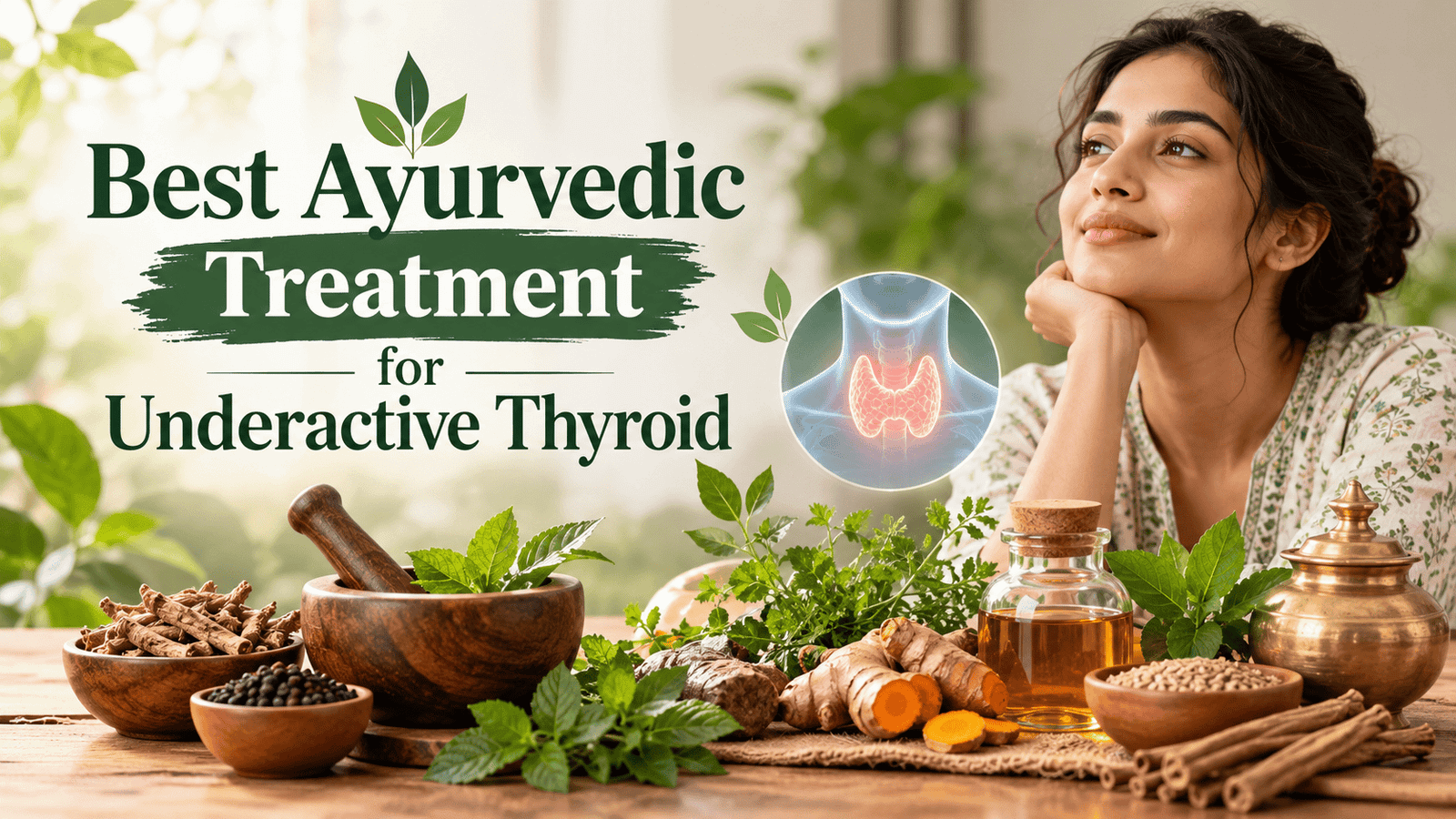
Several herbs are discussed in traditional Ayurvedic practice. Their potential benefits and safety need to be considered carefully, especially for people taking thyroid medication.
Ashwagandha
Ashwagandha is traditionally used in Ayurveda for stress and general well-being. Some limited research has examined its effects on thyroid hormone levels, but the evidence is not sufficient to recommend it as a standard treatment for hypothyroidism.
It may affect thyroid hormone levels and has been associated with liver injury in some cases. People with thyroid disorders should not take it without medical advice.
Kachnar
Kachnar is a traditional Ayurvedic plant used in various herbal preparations. Although it is discussed in some traditional wellness practices, reliable clinical evidence that it treats an underactive thyroid is lacking.
Anyone considering Kachnar products should consult a qualified healthcare professional and check the ingredients and product quality.
Punarnava
Punarnava is another herb used in traditional Ayurvedic preparations. It should not be considered a proven treatment for hypothyroidism, and evidence supporting its ability to improve thyroid hormone levels is limited.
Herbal products may also interact with medicines or be unsuitable for certain medical conditions.
Important: No herb should be used to replace prescribed levothyroxine or other thyroid medication without guidance from the treating clinician.
2. Follow a Balanced Diet for Thyroid Health
Nutrition is an important part of general health for people with hypothyroidism. A balanced diet can help maintain energy, support normal body functions, and prevent nutritional deficiencies.
Consider including:
Protein-rich foods: Lentils, beans, eggs, dairy products, tofu, or other suitable protein sources.
Fruits and vegetables: Choose a variety of seasonal produce for vitamins, minerals, and fibre.
Whole grains: Oats, whole-wheat roti, and other whole grains can support digestive health.
Healthy fats: Nuts, seeds, and appropriate amounts of unsaturated oils.
Iodine-containing foods: Use ordinary iodized salt in appropriate amounts if suitable for your diet.
Iodine is needed for thyroid hormone production, but taking excess iodine or high-dose iodine supplements can worsen some thyroid conditions. Selenium and other supplements should also be used only when appropriate.
There is no single diet that cures hypothyroidism. Avoid restrictive diets or unverified thyroid-detox plans.
3. Lifestyle Habits That May Help You Feel Better
Lifestyle habits cannot replace thyroid hormone treatment when it is medically necessary, but they can support overall well-being.
Regular Physical Activity
Walking, cycling, swimming, and other activities suited to your fitness level can support cardiovascular health, mood, and weight management. Start gradually if fatigue is affecting your routine.
Stress Management
Yoga, meditation, breathing exercises, and relaxation techniques may help manage stress. Choose practices that feel comfortable and avoid treating them as a substitute for medical care.
Consistent Sleep
Aim for a regular sleep schedule and sufficient rest. Persistent tiredness despite adequate sleep may indicate that your thyroid treatment or another health concern needs review.

4. The Importance of Medical Treatment for Hypothyroidism
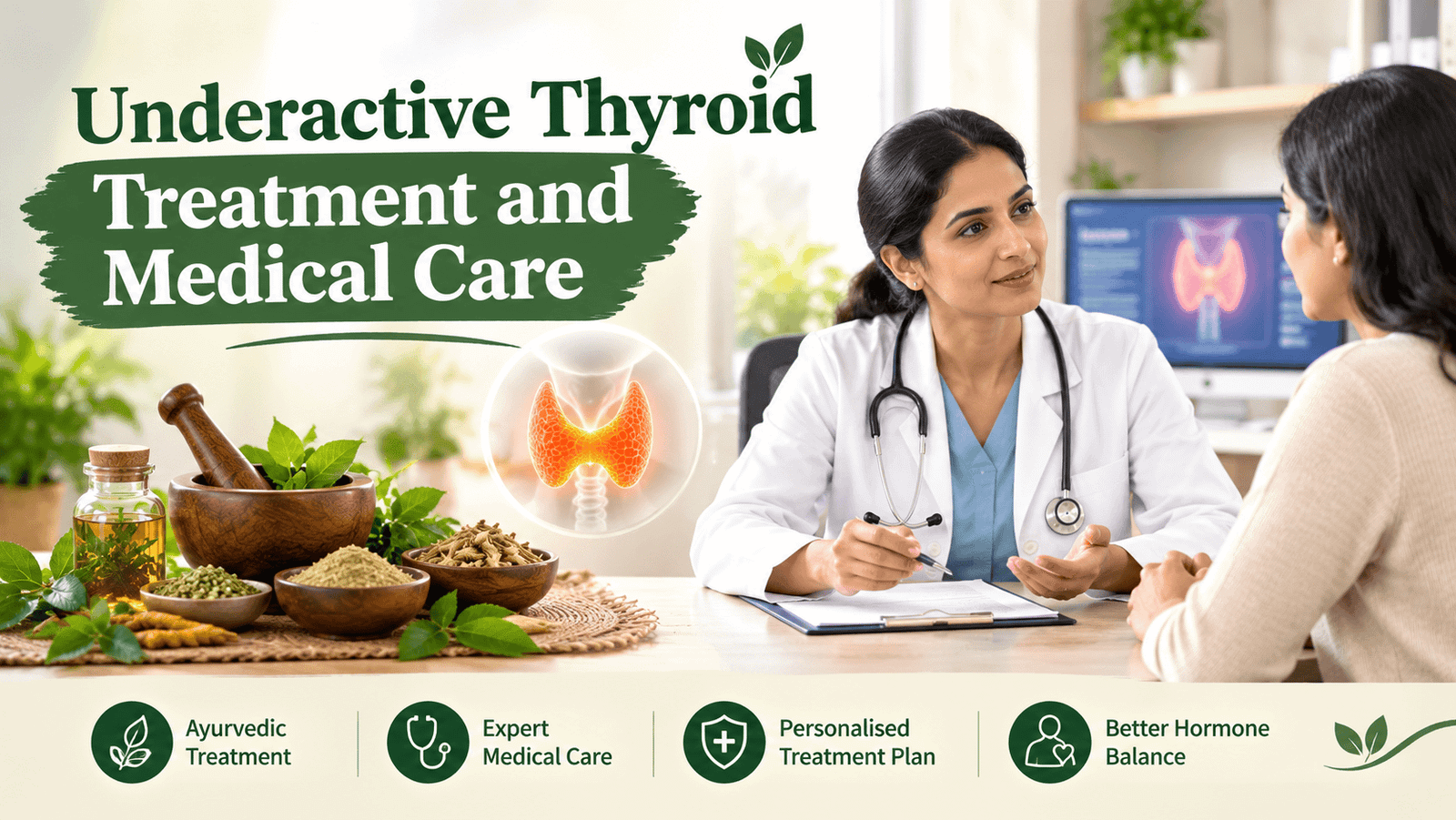
Although people often search for the best Ayurvedic treatment for underactive thyroid, the most important step is to identify the cause and manage thyroid hormone levels appropriately.
Levothyroxine is the standard treatment for many people with hypothyroidism. It replaces the hormone the thyroid gland cannot produce in sufficient quantities.
Your healthcare professional may recommend:
TSH and free T4 testing
An individualized medication dose
Follow-up blood tests after starting treatment or changing the dose
Reviews of symptoms, medicines, and possible nutritional deficiencies
Take thyroid medication exactly as prescribed. Calcium and iron supplements can interfere with levothyroxine absorption, so they are generally taken at a different time as advised by your clinician.
Do not stop medication, reduce the dose, or substitute herbal products without medical supervision.
5. Can Ayurveda Cure an Underactive Thyroid Naturally?
There is no reliable evidence that Ayurveda alone can cure hypothyroidism. The outcome depends on the underlying cause, and many people require long-term thyroid hormone replacement.
Ayurvedic lifestyle practices may be used as complementary measures when they are safe and do not interfere with treatment. Before using any herbal formulation, discuss it with your healthcare professional, particularly if you are pregnant, have other medical conditions, or take prescription medicines.
Be cautious of products advertised as guaranteed cures, thyroid detoxes, or natural alternatives that promise to eliminate the need for medication.
6. When Should You Consult a Doctor?
Seek medical advice if you experience persistent fatigue, unexplained weight changes, constipation, unusual sensitivity to cold, or other symptoms that could be related to thyroid dysfunction.
If you already have hypothyroidism, arrange follow-up testing as recommended. Severe drowsiness, confusion, difficulty breathing, or a markedly reduced level of alertness requires urgent medical assessment.
Conclusion
The best Ayurvedic treatment for underactive thyroid should be approached with realistic expectations and medical guidance. Balanced nutrition, gentle exercise, adequate sleep, and safe stress-management practices can support general well-being, but they do not replace thyroid hormone treatment when it is needed.
Herbal remedies should be evaluated carefully because evidence of effectiveness is limited and some products can affect thyroid function or interact with medicines.
For safer long-term management, work with a qualified healthcare professional, monitor thyroid levels as advised, and discuss any Ayurvedic products before using them.