
What Are the Most Common Questions About Thyroid Problems? Complete FAQ
Thyroid problems are common health concerns that can affect energy levels, metabolism, body weight, mood, sleep, digestion, and many other aspects of daily life. Because thyroid symptoms can vary from person to person, many people have questions about thyroid function, testing, symptoms, treatment, and long-term management.
This complete FAQ answers some of the common questions about thyroid problems in simple language. It is designed to help you understand thyroid health and know when it may be appropriate to speak with a healthcare professional.
What Is the Thyroid?
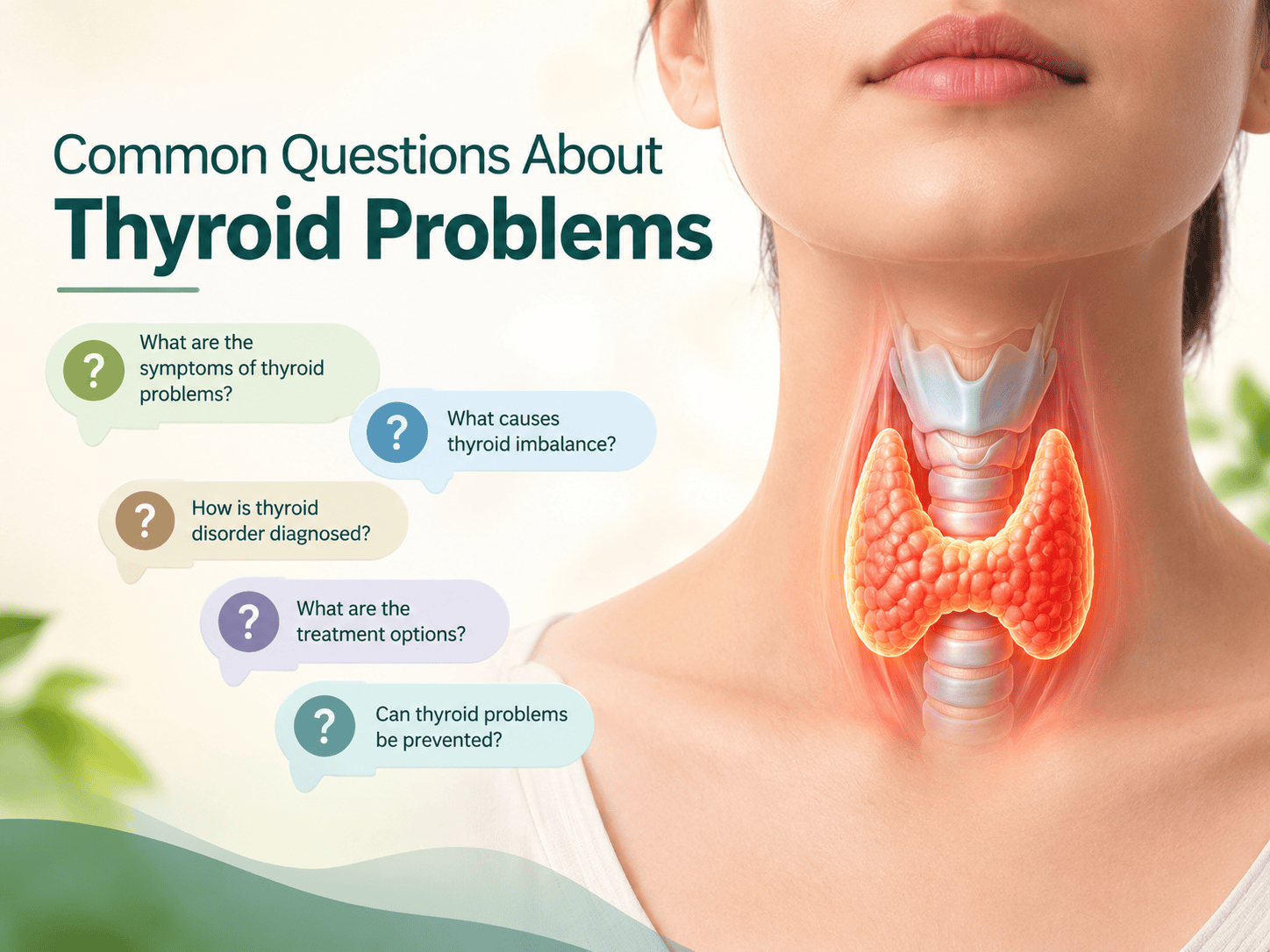
The thyroid is a small, butterfly-shaped gland located at the front of the neck. It produces hormones that help regulate several important functions in the body, including metabolism, energy use, heart rate, temperature regulation, and other body processes.
When the thyroid produces too little or too much hormone, it can affect how the body functions.
What Are the Most Common Thyroid Problems?
The two most common types of thyroid dysfunction are hypothyroidism and hyperthyroidism.
Hypothyroidism occurs when the thyroid does not produce enough thyroid hormone. Common symptoms may include tiredness, feeling unusually cold, dry skin, constipation, and changes in body weight.
Hyperthyroidism occurs when the thyroid produces too much thyroid hormone. Symptoms can include increased sweating, feeling unusually warm, a fast or irregular heartbeat, nervousness, and unintended weight loss.
Other thyroid conditions can include thyroid nodules, thyroiditis, and thyroid enlargement.
What Are the Common Symptoms of Thyroid Problems?
Thyroid symptoms can differ depending on whether thyroid hormone levels are too low or too high.
Possible symptoms of hypothyroidism include:
Fatigue or low energy, Feeling cold more often, Dry skin, Constipation, Changes in body weight, Difficulty concentrating, Changes in mood, Hair changes, Menstrual changes.
Possible symptoms of hyperthyroidism include:
Feeling unusually warm, Increased sweating, Rapid heartbeat, Nervousness or anxiety, Difficulty sleeping, Trembling, Unintended weight loss, Frequent bowel movements.
These symptoms can also occur with other health conditions, so symptoms alone cannot confirm a thyroid disorder.
How Do I Know If I Have a Thyroid Problem?
A thyroid problem cannot usually be confirmed based only on symptoms. A healthcare professional may review your symptoms, medical history, and perform a physical examination before recommending blood tests.
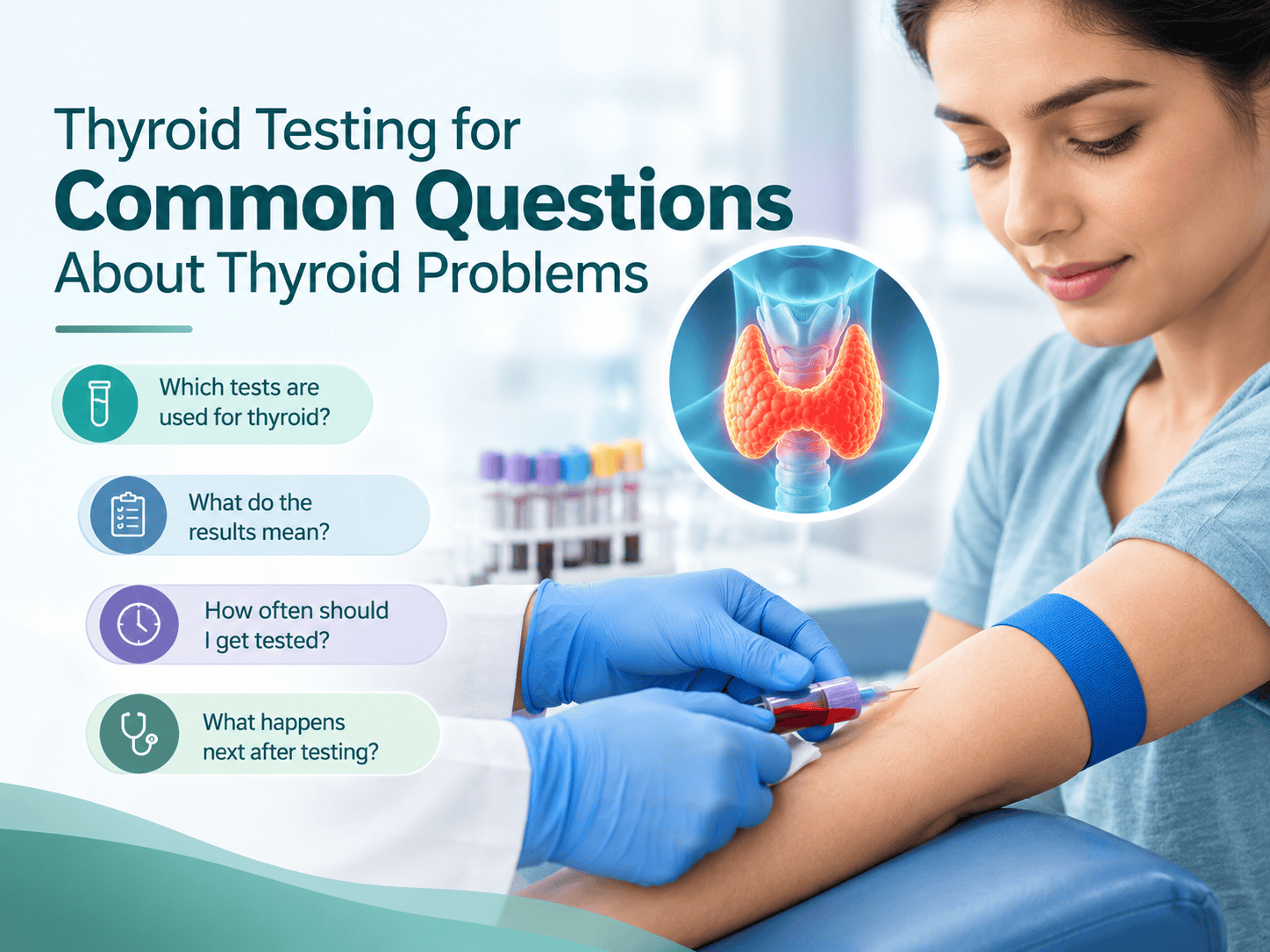
Thyroid blood tests commonly include measurements such as thyroid-stimulating hormone (TSH) and, when appropriate, thyroid hormone levels such as free T4.
If you have persistent or unexplained symptoms that could be related to thyroid function, discuss them with a healthcare professional.
What Is a TSH Test?
TSH stands for thyroid-stimulating hormone. It is produced by the pituitary gland and helps regulate thyroid hormone production.
A TSH blood test is commonly used as an initial test when evaluating thyroid function. Depending on the results and the person's symptoms, additional thyroid tests may be recommended.
Can You Have Thyroid Problems With a Normal TSH?
A normal TSH result generally provides useful information about thyroid function, but interpretation depends on the individual situation.
Symptoms may have causes unrelated to the thyroid, and healthcare professionals may consider additional tests or other explanations when symptoms continue despite a normal TSH result.
Your test results should therefore be interpreted together with your symptoms, medical history, and other relevant findings.
Can Thyroid Problems Cause Weight Changes?
Yes. Changes in thyroid hormone levels can affect metabolism and may contribute to changes in body weight.
Hypothyroidism may be associated with weight gain, while hyperthyroidism may cause unintended weight loss. However, body weight is influenced by many factors, including diet, physical activity, sleep, medications, and other health conditions.
This means that weight change alone does not establish that a thyroid problem is present.
Can Thyroid Problems Cause Tiredness?
Yes. Fatigue or low energy is commonly reported by people with hypothyroidism. However, tiredness has many possible causes, including inadequate sleep, stress, nutritional deficiencies, medications, and other medical conditions.
If persistent fatigue is affecting your daily life, discussing it with a healthcare professional can help identify the underlying cause.
Can Thyroid Problems Affect Sleep?
Thyroid hormone changes may affect sleep.
Some people with hypothyroidism may experience excessive tiredness or sleep-related difficulties, while hyperthyroidism may be associated with difficulty sleeping, restlessness, or feeling overly alert.
Good sleep is important for overall health, but ongoing sleep problems should not automatically be attributed to the thyroid.
Can Thyroid Problems Affect Digestion?
Thyroid hormone levels can influence digestive function.
People with hypothyroidism may experience constipation, while people with hyperthyroidism may have more frequent bowel movements.
Persistent digestive symptoms can have many causes, so they should be evaluated rather than automatically assumed to be related to thyroid function.
Can Thyroid Problems Affect Hair and Skin?
Thyroid disorders can sometimes affect the skin and hair.
Hypothyroidism may be associated with dry skin and changes in hair texture or hair loss. Hyperthyroidism can also cause changes in the skin and hair in some people.
Because hair and skin changes have numerous possible causes, proper evaluation is important.

Can Thyroid Problems Affect Women Differently?
Thyroid disorders can affect women at different stages of life. Thyroid function may be particularly relevant during pregnancy, after pregnancy, and around menopause because hormonal changes can overlap with or influence symptoms.
Thyroid disorders may also affect menstrual cycles and fertility in some people.
Women with concerns about irregular periods, fertility, pregnancy, or persistent symptoms should discuss thyroid testing and appropriate evaluation with a healthcare professional.
Can Thyroid Problems Affect Pregnancy?
Yes. Thyroid hormones play an important role during pregnancy, and thyroid disorders may require monitoring during this period.
Women who have a known thyroid condition or develop symptoms during pregnancy should speak with their healthcare professional about appropriate testing and management.
Treatment decisions during pregnancy should always be made with qualified medical guidance.
Can Thyroid Problems Cause Anxiety or Mood Changes?
Changes in thyroid hormone levels can be associated with mood-related symptoms.
Hyperthyroidism may be associated with nervousness, irritability, or anxiety, while hypothyroidism may be associated with low mood or reduced energy.
However, mood changes have many possible causes. A healthcare professional can help determine whether thyroid function may be contributing to the symptoms.
Are Thyroid Problems Permanent?
It depends on the specific thyroid condition.
Some thyroid problems can be temporary, while others may require long-term monitoring and treatment. For example, some forms of thyroiditis may improve over time, whereas some people with hypothyroidism require ongoing thyroid hormone replacement.
The expected course depends on the underlying cause and individual circumstances.
Can Thyroid Problems Be Treated?
Yes. Many thyroid conditions can be managed with appropriate medical care.
Treatment depends on the type and cause of the thyroid disorder. Depending on the condition, treatment may involve thyroid hormone replacement, medicines that reduce thyroid hormone production, radioactive iodine, surgery, or monitoring.
A healthcare professional determines the appropriate treatment based on test results, symptoms, medical history, and the underlying thyroid condition.
What Foods Are Good for Thyroid Health?
A balanced diet that provides adequate nutrients is important for overall health and normal thyroid function.
Important nutrients involved in thyroid function include iodine and selenium, but more is not necessarily better. Excessive intake of certain nutrients can also be harmful.
Instead of relying on a single food or supplement, focus on a varied and balanced diet. If you have a diagnosed thyroid condition, discuss significant dietary changes or supplements with a healthcare professional.
Should I Take Thyroid Supplements?
Thyroid supplements should not be taken automatically just because you have symptoms or are concerned about thyroid health.
Some supplements can contain high amounts of iodine or other ingredients that may affect thyroid function or interact with medications.
If you are considering a supplement, discuss it with a healthcare professional, particularly if you already have a thyroid condition or take thyroid medication.
When Should I See a Healthcare Professional?
Consider speaking with a healthcare professional if you have persistent or unexplained symptoms such as:
Ongoing fatigue., Unexplained weight changes, Persistent constipation or frequent bowel movements, Significant changes in heart rate, Unusual sensitivity to heat or cold, Changes in menstrual cycles, Persistent sleep problems,Hair or skin changes.
A healthcare professional can determine whether thyroid testing or another evaluation is appropriate.
Frequently Asked Questions About Thyroid Problems
Can thyroid problems develop suddenly?
Some thyroid conditions can develop relatively quickly, while others develop gradually. The timing depends on the underlying condition and cause.
Can thyroid problems occur at any age?
Yes. Thyroid disorders can affect children, teenagers, adults, and older adults, although the specific causes and patterns may differ.
Can stress cause thyroid problems?
Stress can affect many aspects of health and may influence how some symptoms are experienced. However, persistent thyroid symptoms should not automatically be attributed to stress. Appropriate medical evaluation is important.
Can thyroid problems affect cholesterol?
Hypothyroidism can be associated with changes in cholesterol levels. If thyroid dysfunction is suspected, a healthcare professional may consider thyroid testing along with other relevant tests.
Can thyroid problems affect heart rate?
Yes. Changes in thyroid hormone levels can affect heart rate. Hyperthyroidism may cause a fast or irregular heartbeat, while hypothyroidism can sometimes be associated with a slower heart rate.
Can thyroid problems be prevented?
Not all thyroid disorders can be prevented because causes vary. Maintaining a balanced diet and following appropriate medical advice can support overall health, but there is no universal way to prevent every thyroid condition.
Final Thoughts
Understanding the common questions about thyroid problems can make it easier to recognize symptoms, understand thyroid testing, and know when to seek professional advice.
Thyroid symptoms can overlap with many other health conditions, so self-diagnosis is not recommended. If you have ongoing symptoms or concerns about your thyroid health, speak with a qualified healthcare professional for appropriate evaluation and guidance.