

Can Exercise Help With Thyroid-Related Weight Gain?
Weight gain is a common concern for people with thyroid problems, especially those with hypothyroidism. When the thyroid gland does not produce enough thyroid hormones, the body's metabolism can slow down, making it more difficult to manage weight.
Many people wonder, can exercise help with thyroid-related weight gain? The answer is yes. Regular physical activity can support weight management, improve energy levels, maintain muscle strength, and promote overall health.
However, exercise alone may not be enough if your thyroid hormone levels are not properly controlled. A combination of appropriate medical treatment, balanced nutrition, regular physical activity, and healthy lifestyle habits can help you manage your weight more effectively.
In this guide, we will explain how thyroid problems affect weight, which exercises may help, how often to exercise, and what to consider before starting a workout routine.
How Does the Thyroid Affect Weight Gain?
The thyroid is a small, butterfly-shaped gland located at the front of the neck. It produces hormones that help regulate metabolism, energy production, body temperature, and several other important functions.
When the thyroid produces insufficient hormones, a condition called hypothyroidism develops.
Hypothyroidism can contribute to weight gain because it slows certain metabolic processes. Some of the weight gain may also result from fluid retention rather than an increase in body fat.
However, thyroid problems are not the only cause of weight gain. Eating habits, physical activity, sleep, medications, and other medical conditions can also influence body weight.
This is why understanding the underlying cause is important before making major changes to your diet or exercise routine.
Can Exercise Help With Thyroid-Related Weight Gain?
Yes, regular exercise can help people with thyroid-related weight gain manage their weight and improve overall fitness.
Exercise increases energy expenditure, helps maintain muscle mass, and supports cardiovascular health.
It can also improve mood, sleep quality, and physical strength, which may be particularly helpful for people experiencing fatigue associated with hypothyroidism.
However, exercise should be considered part of a broader treatment plan.
If hypothyroidism is untreated or poorly controlled, you may continue to experience fatigue, weakness, and difficulty managing your weight despite exercising regularly.
The first step is to make sure your thyroid condition is appropriately evaluated and treated.
Best Exercises for Thyroid-Related Weight Gain
There is no single exercise that works best for everyone with thyroid problems. The right activity depends on your fitness level, symptoms, medical history, and personal preferences.
The following exercises can be useful options for many people.
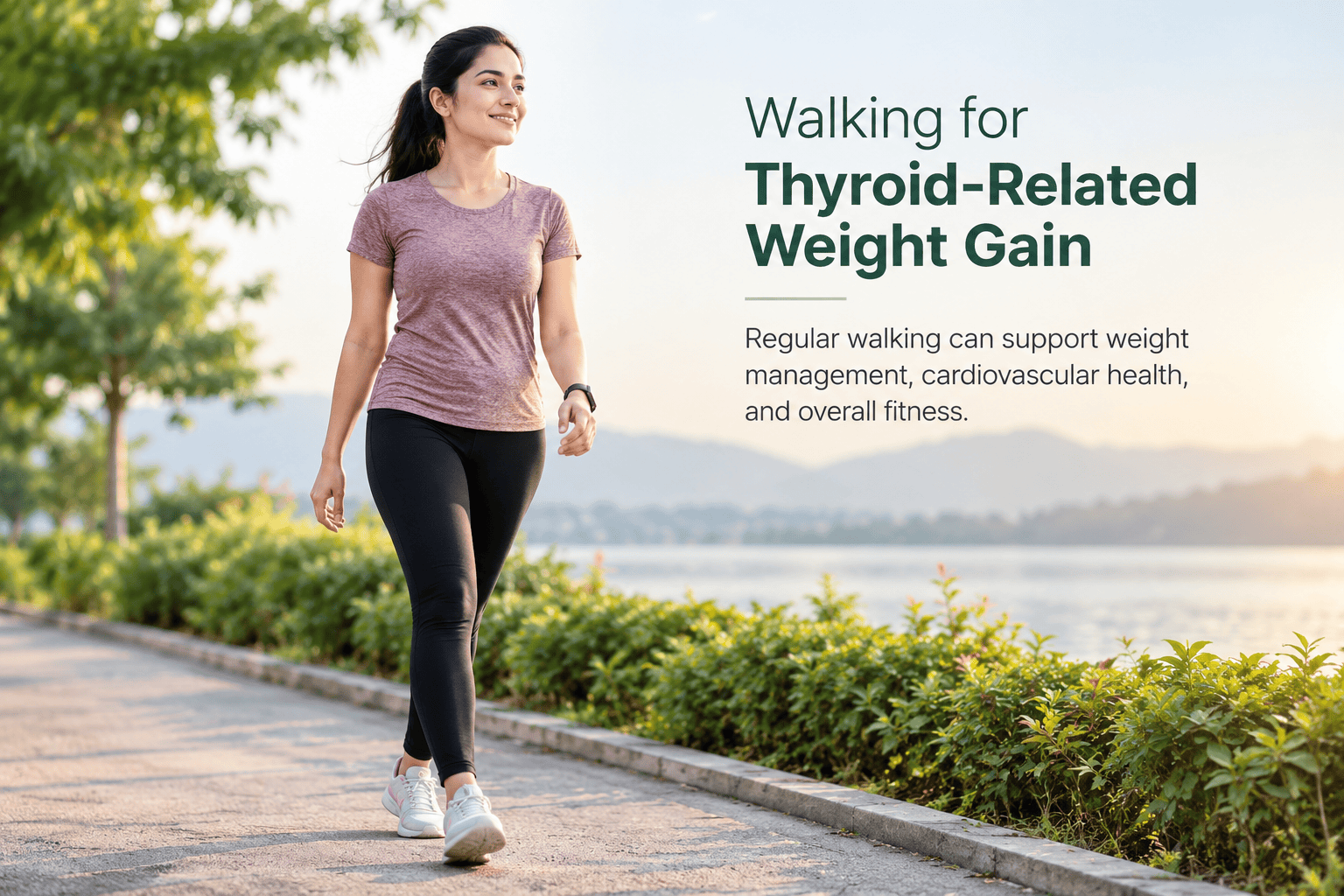
1. Walking
Walking is one of the simplest ways to begin exercising.
It does not require expensive equipment, and you can gradually increase your walking time as your fitness improves.
Benefits of walking include:
Supporting daily energy expenditure, Improving cardiovascular fitness, Helping maintain a healthy weight, Supporting mood and overall well-being.
If you are new to exercise, start with a comfortable 10–15-minute walk and gradually increase the duration.
Choose a pace that allows you to speak comfortably without becoming excessively breathless.
2. Strength Training
Strength training is another useful exercise for people managing thyroid-related weight gain.
It involves working your muscles against resistance using body weight, dumbbells, resistance bands, or gym equipment.
Maintaining muscle mass is important because muscle supports physical strength and contributes to daily energy expenditure.
Examples of beginner-friendly strength exercises include:
Bodyweight squats, Wall push-ups, Resistance band exercises, Light dumbbell exercises, Seated leg raises.
Start with manageable resistance and focus on correct technique.
If you experience significant muscle weakness or have other medical concerns, consult your healthcare provider before beginning a strength-training program.
3. Yoga and Stretching
Yoga and gentle stretching can help improve flexibility, balance, and relaxation.
They may also support stress management and help some people establish a consistent physical activity routine.
Beginner-friendly options include gentle yoga, breathing exercises, and simple stretching movements.
Yoga is not a cure for hypothyroidism and does not directly restore normal thyroid hormone levels.
However, it can be a useful part of a balanced lifestyle when combined with appropriate medical care.

4. Cycling
Cycling is a low-impact aerobic activity that can help improve cardiovascular fitness.
You can cycle outdoors or use a stationary bicycle at home or in a gym.
If you are starting a new routine, begin with short sessions at a comfortable pace.
Gradually increase the duration or intensity as your fitness improves.
Cycling can be particularly useful for people who prefer a workout that places less impact on their joints than running.
5. Swimming
Swimming is another low-impact activity that works several muscle groups.
It can help improve cardiovascular fitness, endurance, and overall physical activity levels.
If you enjoy swimming and have access to a suitable pool, it can be a good option for regular exercise.
Start slowly and increase your swimming time according to your comfort and fitness level.
How Often Should You Exercise With Thyroid Problems?
The appropriate amount of exercise depends on your health, fitness level, symptoms, and treatment status.
For many adults, general physical activity guidelines recommend:
At least 150 minutes of moderate-intensity aerobic activity per week.
Muscle-strengthening activities on at least two days per week.
These are general targets, not requirements that everyone must meet immediately.
If you are experiencing significant fatigue or have been inactive for a long time, begin with shorter sessions and gradually increase your activity.
For example, you could start with 10–15 minutes of walking several days a week and add a few minutes as your stamina improves.
Consistency is more important than pushing yourself too hard.
Can Exercise Alone Reduce Thyroid-Related Weight Gain?
Exercise can support weight management, but it may not completely reverse thyroid-related weight gain on its own.
Hypothyroidism can affect metabolism and fluid balance. If thyroid hormone levels remain abnormal, weight management may continue to be difficult.
Once hypothyroidism is appropriately treated, some of the associated weight gain may improve. However, not all weight gain is caused by thyroid disease.
Exercise should therefore be combined with other healthy habits, including:
Eating a balanced diet, Getting adequate sleep, Managing stress, Following prescribed thyroid treatment, Maintaining regular physical activity.
Avoid expecting rapid weight loss. Gradual, sustainable changes are generally more realistic.

What Should You Eat Along With Exercise?
A balanced diet can complement your exercise routine and support overall health.
Instead of following an extremely restrictive diet, focus on eating a variety of nutritious foods.
Include Protein-Rich Foods
Protein helps maintain muscle and supports recovery after exercise.
Good options include eggs, lentils, beans, fish, chicken, paneer, yogurt, and other suitable protein sources.
Eat Fruits and Vegetables
Fruits and vegetables provide fiber, vitamins, minerals, and other nutrients.
Include a variety of colorful fruits and vegetables in your daily meals.
Choose Whole Grains
Whole grains such as oats, brown rice, and whole-wheat roti can provide fiber and energy.
Stay Hydrated
Drink enough water throughout the day, particularly when exercising or spending time in hot weather.
There is no special thyroid diet that guarantees weight loss. Your nutritional needs may vary depending on your medical condition, medication, and overall health.
Does Thyroid Medication Help With Weight Management?
If you have hypothyroidism, your healthcare provider may prescribe levothyroxine to replace the thyroid hormone your body is not producing adequately.
When the medication is appropriately prescribed and monitored, it can help restore thyroid hormone levels toward the target range.
Some people may notice improvements in energy levels and weight-related symptoms after treatment.
However, thyroid medication is not a weight-loss drug and should not be used for weight loss in people with normal thyroid function.
Do not increase your medication dose or change your treatment without medical advice.
If you are taking levothyroxine and still experiencing weight changes, discuss your symptoms and thyroid test results with your healthcare provider.
When Should You Be Careful With Exercise?
Exercise is beneficial for many people with thyroid problems, but it is important to consider your symptoms and overall health.
If you have untreated or poorly controlled hypothyroidism, you may experience significant fatigue, muscle weakness, or reduced exercise tolerance.
People with hyperthyroidism may experience a rapid heartbeat, tremors, or heat intolerance. These symptoms may require medical evaluation before starting vigorous exercise.
Stop exercising and seek medical advice if you experience chest pain, fainting, unusual shortness of breath, or a rapid or irregular heartbeat.
If you have a diagnosed thyroid disorder, ask your healthcare provider whether any exercise restrictions are necessary for your condition.
Conclusion
So, can exercise help with thyroid-related weight gain? Yes, regular physical activity can support weight management, maintain muscle strength, improve cardiovascular fitness, and promote overall well-being.
Walking, strength training, yoga, cycling, and swimming are useful options for many people with thyroid problems.
However, exercise alone may not be enough if hypothyroidism is untreated or thyroid hormone levels are not properly controlled.
The best approach combines appropriate medical treatment, a balanced diet, regular physical activity, and healthy lifestyle habits.
If you have persistent weight gain, unusual fatigue, or other symptoms of thyroid dysfunction, speak with your healthcare provider about thyroid testing and an appropriate treatment plan.