

Can You Have Thyroid Problems With Normal TSH?
A normal thyroid-stimulating hormone (TSH) result is often reassuring, but it does not always explain every thyroid-related symptom or rule out every thyroid condition. So, can you have thyroid problems with normal TSH? In some situations, the answer is yes.
TSH is one of the most commonly used blood tests for assessing thyroid function. It provides important information about how the thyroid is responding to signals from the pituitary gland. However, thyroid health involves several hormones, antibodies, and structural changes that may require additional evaluation.
If you have symptoms such as tiredness, unexplained weight changes, dry skin, hair changes, or difficulty concentrating despite having a normal TSH result, it is important not to assume that your symptoms are necessarily caused by your thyroid. Other health conditions and lifestyle factors can cause similar symptoms.
Understanding what a normal TSH result means and when additional testing may be considered can help you discuss your health concerns more effectively with a healthcare professional.
What Is TSH and Why Is It Important?
TSH stands for thyroid-stimulating hormone. It is produced by the pituitary gland, a small gland located at the base of the brain.
TSH helps regulate the thyroid gland and signals it to produce thyroid hormones, mainly thyroxine (T4) and triiodothyronine (T3). These hormones play important roles in metabolism, energy use, body temperature, heart function, and several other processes.
When thyroid hormone levels change, the pituitary gland can adjust TSH production. This relationship makes TSH a useful test when evaluating possible thyroid dysfunction.
However, a TSH result should not always be considered in isolation. Healthcare professionals may consider symptoms, medical history, medications, physical examination findings, and other thyroid tests when appropriate.
Can You Have Thyroid Problems With Normal TSH?
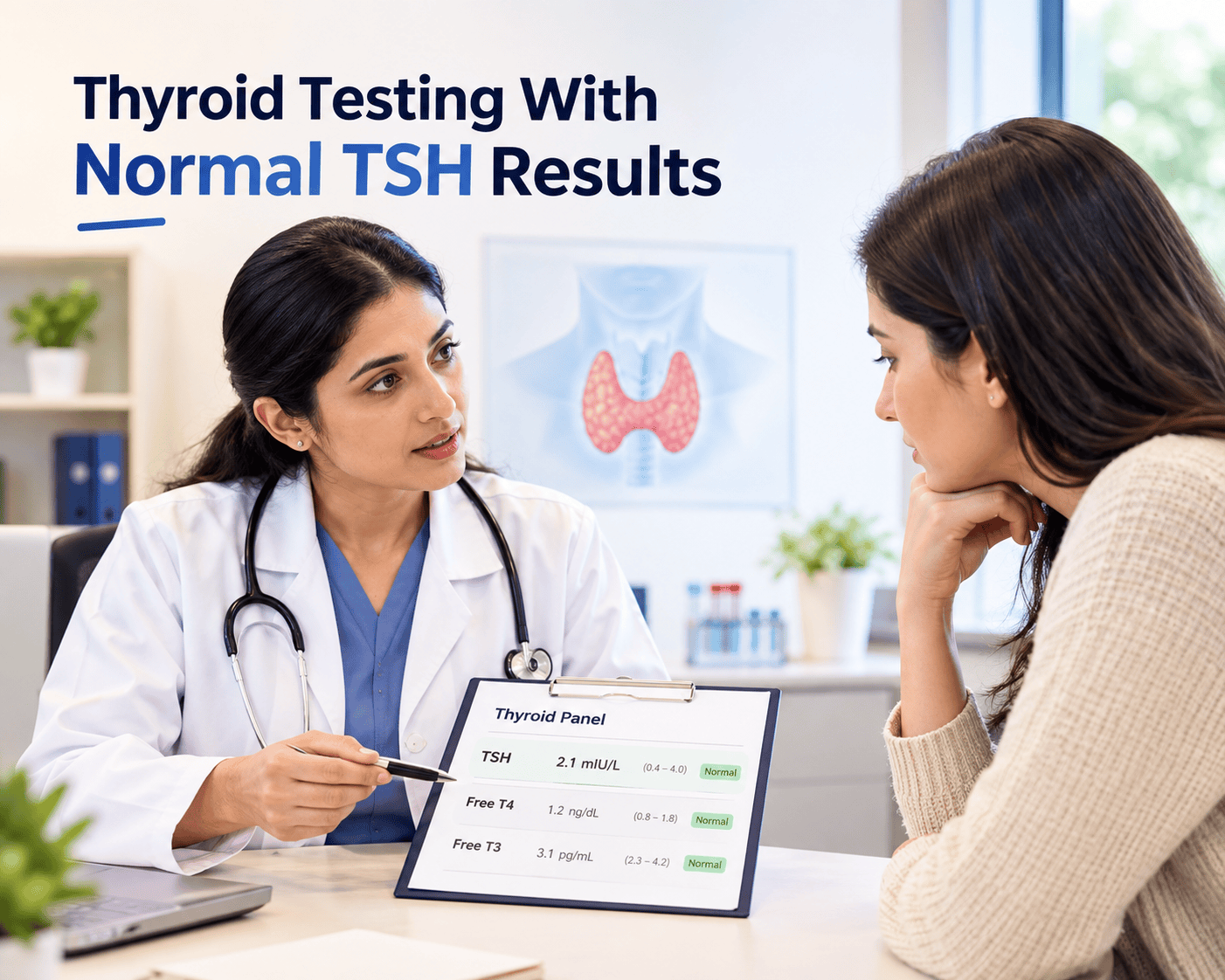
Yes, it is possible to have certain thyroid-related conditions or abnormalities even when your TSH falls within the laboratory's reference range.
For example, a person may have thyroid antibodies associated with an autoimmune thyroid condition, a thyroid nodule, or another structural thyroid abnormality while having a normal TSH.
In some situations, additional thyroid hormone or antibody testing may provide more information. However, this does not mean that everyone with thyroid-related symptoms and normal TSH has an underlying thyroid disorder.
Many symptoms commonly associated with thyroid disease can also occur because of stress, poor sleep, nutritional deficiencies, medications, hormonal changes, or other medical conditions.
1. Thyroid Antibodies Can Be Present
One reason thyroid problems with normal TSH may occur is the presence of thyroid antibodies.
Some thyroid conditions are autoimmune, meaning the immune system mistakenly targets tissues of the body. Hashimoto's thyroiditis and Graves' disease are examples of autoimmune thyroid conditions.
In some people, thyroid antibodies may be detectable before significant changes in thyroid hormone levels occur.
Depending on the person's symptoms, family history, examination, and previous test results, a healthcare professional may consider antibody testing.
A normal TSH result does not by itself confirm or completely exclude an autoimmune thyroid condition.
2. Free T4 or Other Thyroid Tests May Be Considered
TSH is an important thyroid test, but it is not the only test available.
Free T4 measures the amount of circulating thyroxine available to tissues. In certain clinical situations, a healthcare professional may consider free T4 along with TSH to better understand thyroid function.
T3 testing may also be useful in selected cases, particularly when hyperthyroidism is suspected.
However, additional testing is not automatically necessary for everyone with a normal TSH. The appropriate tests depend on the person's symptoms, medical history, medications, and clinical findings.
It is therefore better to have thyroid test results interpreted by a qualified healthcare professional rather than trying to diagnose a condition from individual numbers.
3. Thyroid Nodules Can Occur With Normal TSH
A thyroid nodule is a lump or abnormal area within the thyroid gland. Thyroid nodules are relatively common, and many are not cancerous.
Importantly, a thyroid nodule does not necessarily interfere with thyroid hormone production. This means that someone can have a thyroid nodule while their TSH remains within the normal range.
If a healthcare professional notices a lump, swelling, or other abnormality in the neck, they may recommend further evaluation.
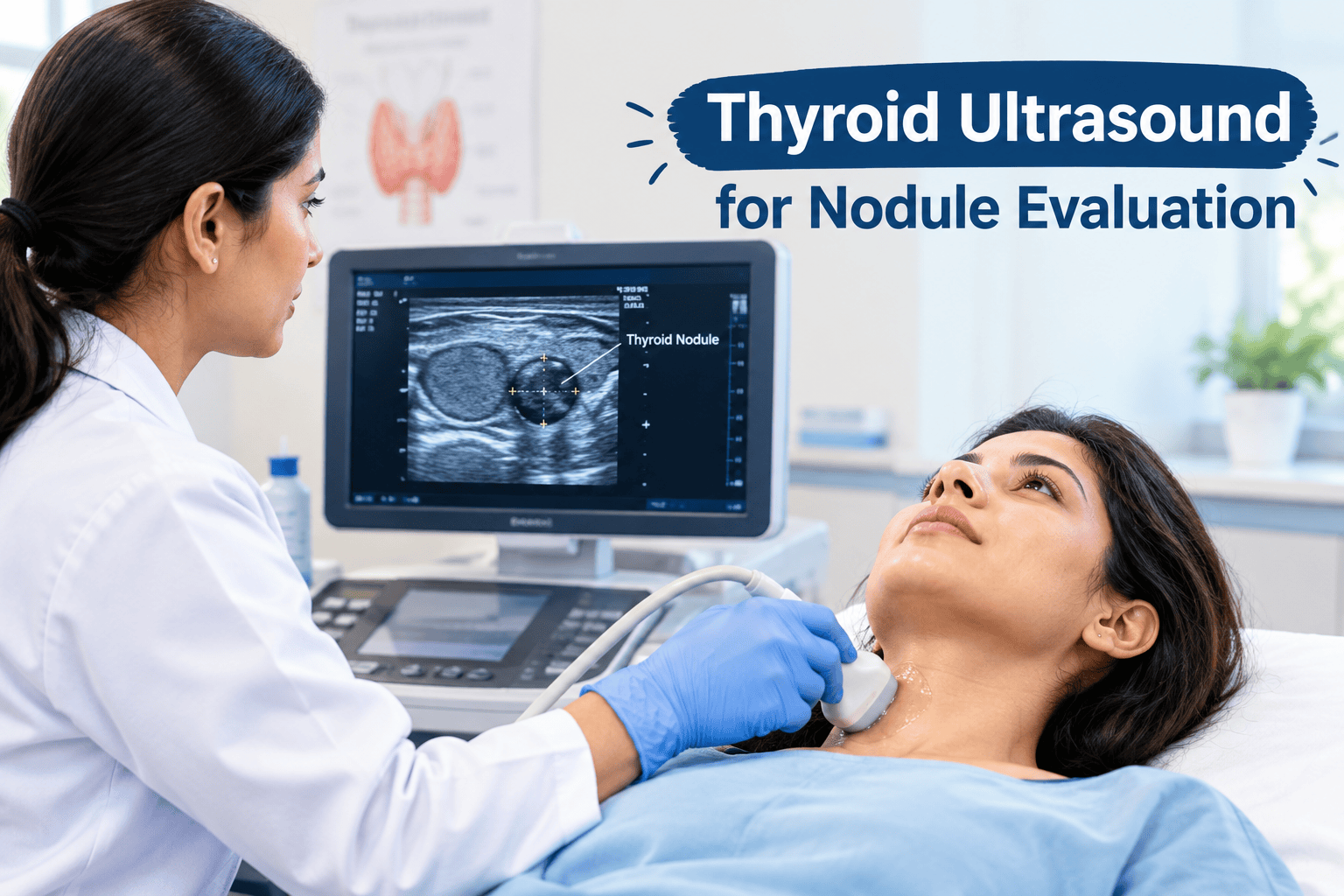
A thyroid ultrasound can help examine the size, shape, and characteristics of a thyroid nodule or other structural changes.
4. Thyroid Symptoms Can Have Other Causes
If you have symptoms associated with thyroid disease but your TSH is normal, it does not necessarily mean that the thyroid is the cause.
Common symptoms such as fatigue, weight changes, dry skin, hair changes, sleep problems, and difficulty concentrating can have many possible explanations.
For example, inadequate sleep, ongoing stress, nutritional deficiencies, certain medications, hormonal changes, and other health conditions can cause similar symptoms.
This is why symptoms alone cannot establish a thyroid diagnosis.
If your symptoms are persistent, worsening, or affecting your daily life, discussing them with a healthcare professional can help identify whether additional thyroid testing or evaluation for another cause is appropriate.
5. Pregnancy and Certain Health Conditions Can Affect Interpretation
TSH results may require additional consideration during pregnancy because thyroid hormone requirements and laboratory reference ranges can change during pregnancy.
Other situations, including severe illness and the use of certain medications, can also affect thyroid test results or their interpretation.
For this reason, a TSH result should be interpreted according to the person's individual circumstances.
If you are pregnant, recently gave birth, have a known thyroid condition, or take thyroid medication, discuss your test results with your healthcare professional.
Do not change the dose of thyroid medication based only on a test result or symptoms without professional guidance.
What Tests May Be Used Besides TSH?
When a healthcare professional believes further evaluation is appropriate, several tests may be considered.
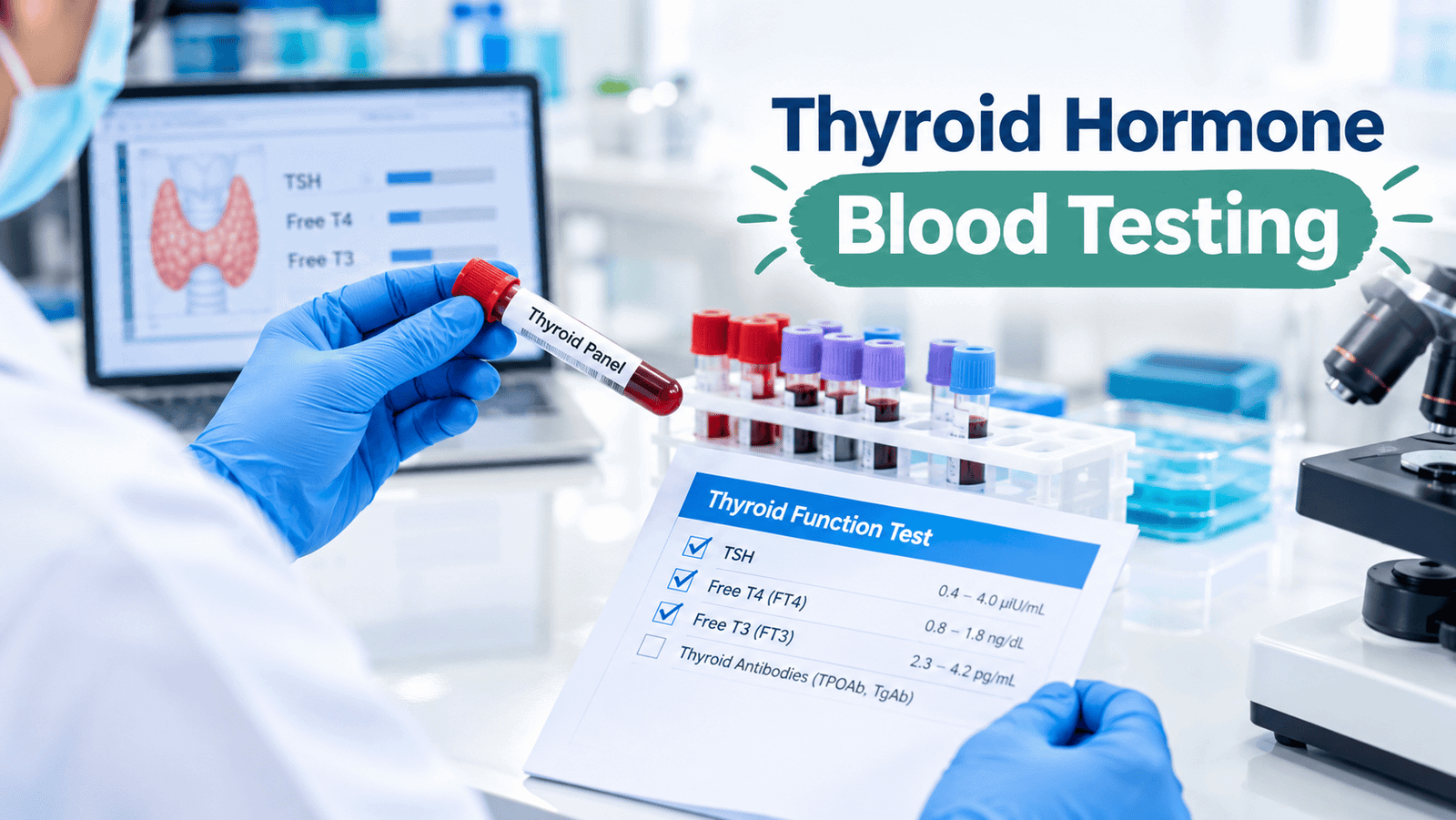
Free T4
Free T4 measures the unbound form of thyroxine available in the bloodstream. It can provide additional information about thyroid hormone production.
T3
T3 testing may be useful in selected situations, particularly when hyperthyroidism is suspected. It is not routinely needed for every person being evaluated for thyroid problems.
Thyroid Antibody Tests
Thyroid antibody tests can help identify certain autoimmune thyroid conditions.
Examples include antibodies associated with Hashimoto's thyroiditis and Graves' disease.
Thyroid Ultrasound
A thyroid ultrasound provides information about the physical structure of the thyroid. It can help evaluate nodules, cysts, enlargement, and other structural changes.
What Should You Do If You Have Symptoms but Normal TSH?
If you continue to experience symptoms despite having a normal TSH result, avoid assuming that you definitely have a thyroid disorder.
Instead, keep track of your symptoms and discuss them with a healthcare professional. They can review your medical history, medications, lifestyle factors, physical examination findings, and previous laboratory results.
Depending on the situation, they may recommend additional thyroid tests or investigate other possible causes of your symptoms.
It is also important to avoid taking thyroid hormone supplements or other thyroid-related products without appropriate medical advice.
When Should You Speak With a Healthcare Professional?
Consider discussing your symptoms with a healthcare professional if they are persistent, unexplained, or getting worse.
Medical evaluation may be particularly important if you notice:
A lump or swelling in your neck
Persistent changes in weight
Significant fatigue
Unexplained changes in heart rate
Persistent sensitivity to heat or cold
Ongoing hair or skin changes
Changes in menstrual patterns
Difficulty swallowing or a feeling of pressure in the neck
A personal or family history of thyroid disease
These symptoms do not automatically indicate a thyroid disorder, but they may warrant further evaluation.
Can Thyroid Problems With Normal TSH Be Treated?
Treatment depends on the underlying cause.
If your TSH and other thyroid hormone levels are normal and there is no confirmed thyroid condition, thyroid hormone medication may not be necessary.
If an autoimmune thyroid condition, thyroid nodule, or another thyroid-related problem is identified, treatment will depend on the specific diagnosis.
The goal is to identify the underlying cause rather than treating symptoms with thyroid medication without a confirmed reason.
Never start, stop, or change thyroid medication without discussing it with a qualified healthcare professional.
Final Thoughts
So, can you have thyroid problems with normal TSH? Yes, certain thyroid-related conditions can occur even when TSH is within the normal laboratory reference range.
A normal TSH is an important finding, but it does not provide information about every possible thyroid-related issue. Thyroid antibodies, thyroid nodules, certain clinical situations, and other factors may require additional evaluation.
At the same time, persistent symptoms with normal TSH do not necessarily mean that you have a thyroid disorder. Many symptoms can have causes unrelated to thyroid function.
If you have ongoing concerns, speak with a healthcare professional who can interpret your results in the context of your symptoms, medical history, and overall health.