
Can Thyroid Problems Cause Weight Gain Without Overeating?
Have you noticed your weight increasing even though you are not eating more than usual? It is natural to wonder, can thyroid problems cause weight gain without overeating?
Yes, an underactive thyroid, also called hypothyroidism, can contribute to weight gain. Thyroid hormones help regulate how the body uses energy, so when thyroid hormone levels are too low, the body's energy expenditure can decrease. Hypothyroidism can also cause some fluid and salt retention, which may contribute to changes on the scale.
However, thyroid problems are not the only possible reason for unexplained weight gain. Sleep, physical activity, medications, other health conditions, genetics, and lifestyle factors can also affect body weight.
Understanding the connection between thyroid health and weight can help you know when it may be appropriate to speak with a healthcare professional.
Can Thyroid Problems Cause Weight Gain Without Overeating?
Yes, particularly when a person has untreated or inadequately treated hypothyroidism.
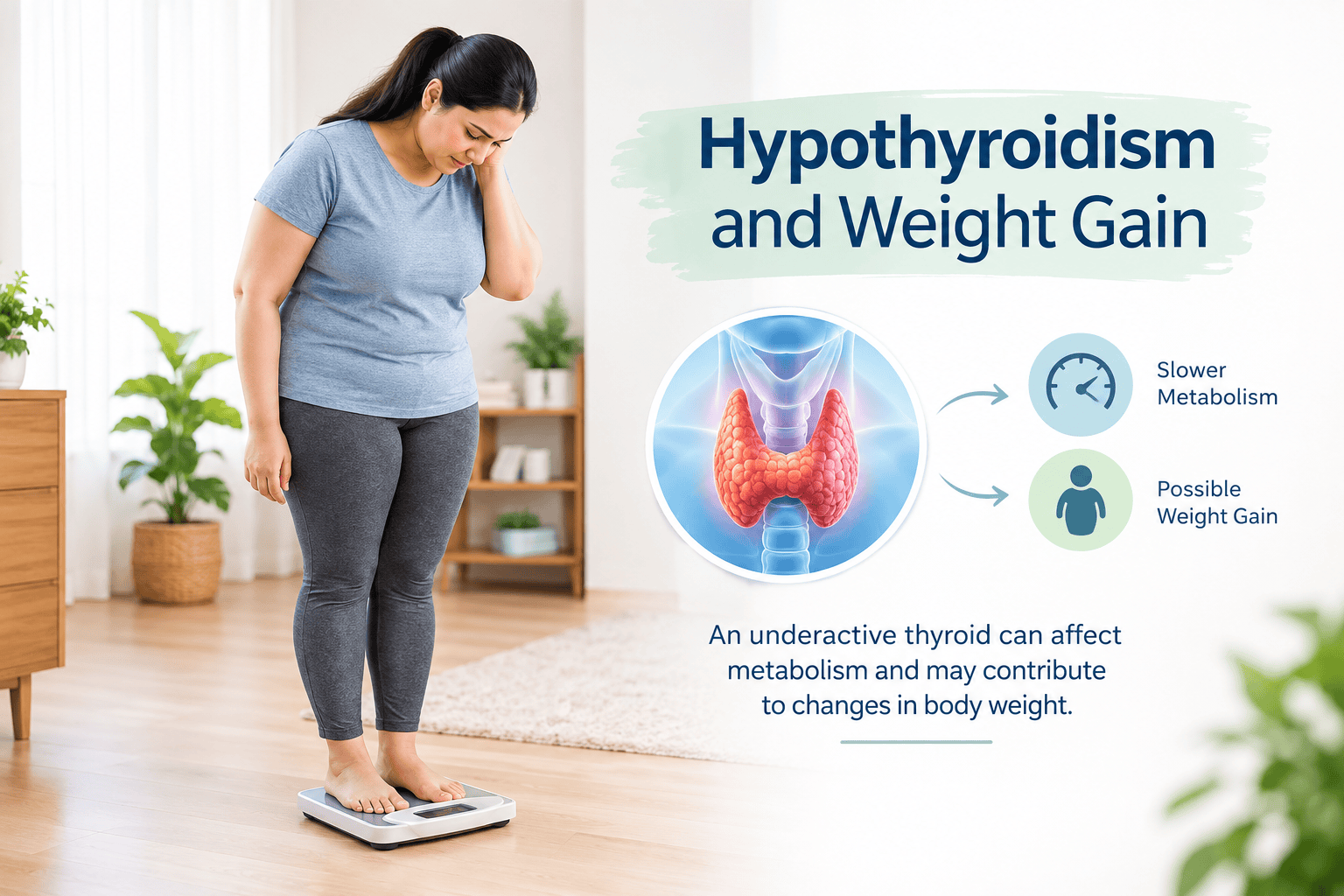
The thyroid gland produces hormones that help regulate metabolism and energy use. When thyroid hormone production is too low, the body's basal metabolic rate can decrease. This means the body may use less energy at rest than it would when thyroid function is normal.
As a result, some people with hypothyroidism may experience weight gain even if they do not feel that they are eating more than before.
However, the amount of weight gain caused specifically by hypothyroidism is usually modest, and not every person with weight gain has a thyroid problem. The American Thyroid Association notes that much of the weight associated with hypothyroidism can also involve salt and water retention.
This is why unexplained weight gain should not automatically be attributed to the thyroid.
How Does an Underactive Thyroid Affect Weight?
Hypothyroidism affects several processes in the body because thyroid hormones are involved in energy use.
When thyroid hormone levels are low, several changes may occur.
1. Metabolism May Slow Down
Thyroid hormones influence the body's metabolic rate. With hypothyroidism, the body may use less energy, which can contribute to weight gain.
This does not mean that every calorie is automatically stored as fat. Weight is influenced by many different factors, and thyroid function is only one part of the picture.
2. Fluid Retention Can Affect the Scale
Weight gain associated with hypothyroidism is not always caused by an increase in body fat.
The American Thyroid Association explains that salt and water retention can account for a significant portion of the weight gained with hypothyroidism.
This can make the number on the weighing scale increase even when your eating habits have not changed significantly.
3. Fatigue May Reduce Physical Activity
Hypothyroidism commonly causes fatigue. Some people may feel tired, sluggish, or less energetic.
When you feel exhausted, it can become harder to stay physically active throughout the day. Less movement may then contribute to changes in body weight.
What Are the Signs of Hypothyroidism?
Weight gain by itself does not confirm that you have a thyroid problem.
Hypothyroidism can cause several symptoms, and they may develop gradually. Common symptoms include:
Unexplained weight gain
Fatigue or low energy
Increased sensitivity to cold
Dry skin
Thinning hair
Constipation
Muscle or joint discomfort
Changes in menstrual periods
A slower heart rate
Low mood
Not everyone experiences the same symptoms. Many of these symptoms are also common in other health conditions, so they should not be used alone to diagnose hypothyroidism.
If you have several persistent symptoms along with unexplained weight gain, discussing them with a healthcare professional may be appropriate.
Can You Have Hypothyroidism Without Eating More?
Yes. A person can develop hypothyroidism without increasing their food intake.
Because thyroid hormones affect energy use, reduced thyroid hormone activity can lower the body's energy expenditure. This may contribute to gradual weight gain even when eating habits appear unchanged.
However, it is important not to assume that every unexplained increase in weight is caused by the thyroid.
Body weight can be affected by many factors, including:
Physical activity
Sleep
Stress
Medications
Genetics
Age
Other medical conditions
Overall eating patterns
For this reason, a proper medical evaluation is more useful than trying to identify the cause based only on weight changes.
How Is Thyroid-Related Weight Gain Diagnosed?
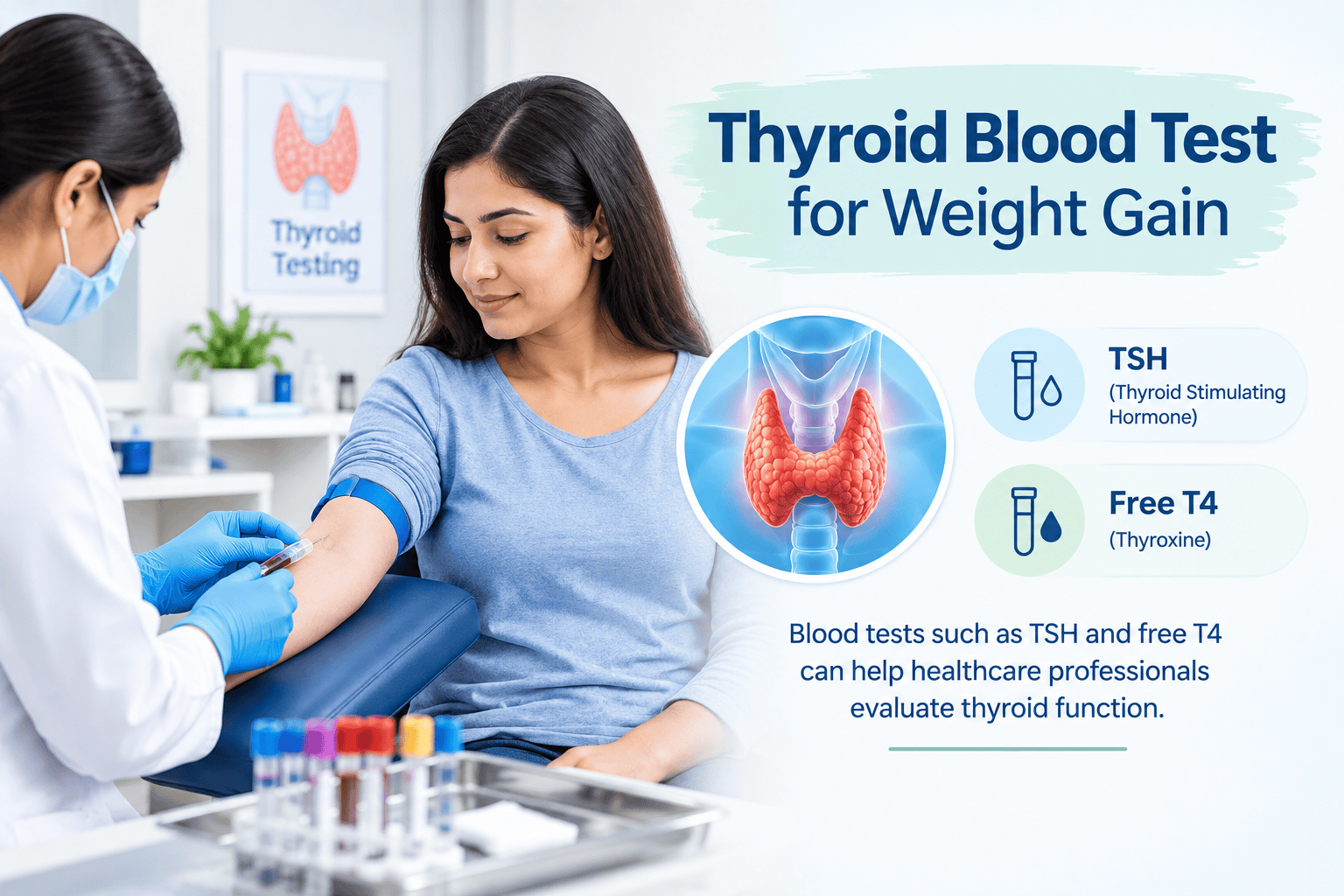
If your healthcare professional suspects hypothyroidism, they may recommend thyroid blood tests.
TSH and free T4 are commonly used to evaluate thyroid function. The results are considered together with your symptoms and medical history.
A diagnosis should not be made based only on symptoms such as weight gain or tiredness.
If your weight has increased unexpectedly and you also have symptoms such as fatigue, feeling unusually cold, dry skin, or constipation, speak with a healthcare professional about whether thyroid testing is appropriate.
Will Treating Hypothyroidism Help With Weight Gain?
Treating hypothyroidism can restore thyroid hormone levels toward the normal range and may improve symptoms caused by the condition.
For people with hypothyroidism, thyroid hormone replacement such as levothyroxine may be prescribed by a healthcare professional. Treatment is intended to replace the hormone that the thyroid is not producing adequately.
Some people lose some weight after treatment, particularly when part of the weight gain was related to fluid retention. However, thyroid treatment should not be considered a weight-loss treatment for people with normal thyroid function.
It is also important to understand that treating hypothyroidism does not necessarily lead to major weight loss for everyone. Weight can be influenced by many factors beyond thyroid hormone levels.b
Should You Take Thyroid Medicine for Weight Loss?
No.
Thyroid hormone should not be taken simply to lose weight if you do not have hypothyroidism.
Taking excessive thyroid hormone can cause unwanted effects, including a rapid heartbeat, anxiety, insomnia, loss of muscle mass, and heart rhythm problems.
If you have been diagnosed with hypothyroidism, take your medication exactly as prescribed. Do not increase the dose yourself because you want to lose weight faster.
If you continue gaining weight despite treatment, discuss your symptoms and thyroid test results with your healthcare professional.
What Can You Do About Thyroid-Related Weight Gain?
If hypothyroidism is contributing to weight gain, addressing the thyroid condition is an important first step.
Along with appropriate medical care, healthy lifestyle habits can support overall weight management.
Focus on a Balanced Diet
Choose a variety of nutritious foods, including vegetables, fruits, whole grains, protein sources, and healthy fats
.Avoid extremely restrictive diets unless a qualified healthcare professional has recommended one for a specific reason.
Stay Physically Active
Regular physical activity can support muscle strength, cardiovascular health, and overall energy expenditure.
Walking, cycling, swimming, strength training, or other activities that suit your fitness level can be incorporated into your routine.
Get Enough Sleep
Poor sleep can affect energy, daily activity, and weight management. Try to maintain a consistent sleep schedule and create a comfortable bedtime routine.
Manage Stress
Long-term stress can affect eating patterns, sleep, activity levels, and overall health. Relaxation techniques, regular movement, and adequate rest may help support healthy stress management

When Should You Speak With a Healthcare Professional?
Unexplained or persistent weight gain deserves attention, especially when it occurs with other symptoms.
Consider speaking with a healthcare professional if you experience:
Persistent unexplained weight gain, Ongoing fatigue, Increased sensitivity to cold, Dry skin or thinning hair, Constipation, Muscle or joint discomfort, Changes in menstrual periods, Other symptoms that concern you
A healthcare professional can review your symptoms and decide whether thyroid testing or evaluation for another cause is appropriate.
Remember that weight gain alone does not prove that you have hypothyroidism. Many conditions and lifestyle factors can contribute to changes in body weight.
Frequently Asked Questions
Can thyroid problems cause weight gain without overeating?
Yes. Hypothyroidism can reduce energy expenditure and may also cause salt and water retention, which can contribute to weight gain. However, thyroid disease is only one possible cause of unexplained weight gain.
How much weight can hypothyroidism cause?
The amount varies from person to person and depends partly on the severity of hypothyroidism. The American Thyroid Association describes thyroid-related weight gain as generally modest, with much of it potentially related to salt and water retention.
Can you lose weight after treating hypothyroidism?
Some people lose weight after hypothyroidism is treated, particularly if some of the weight was related to fluid retention. However, treatment does not guarantee significant weight loss for everyone.
Does weight gain always mean you have a thyroid problem?
No. Weight gain can have many causes, including lifestyle factors, sleep, medications, genetics, and other health conditions.
Conclusion
So, can thyroid problems cause weight gain without overeating? Yes, an underactive thyroid can contribute to weight gain even when a person's food intake has not increased.
Hypothyroidism can reduce energy expenditure and may contribute to salt and water retention. It can also cause fatigue, which may make regular physical activity more difficult.
At the same time, thyroid problems are not the only explanation for weight gain. If you are experiencing unexplained or persistent weight changes, especially alongside other symptoms of hypothyroidism, speak with a healthcare professional.
The right approach is to identify the underlying cause, manage any thyroid condition appropriately, and support your health through balanced nutrition, regular physical activity, adequate sleep, and sustainable lifestyle habits.